
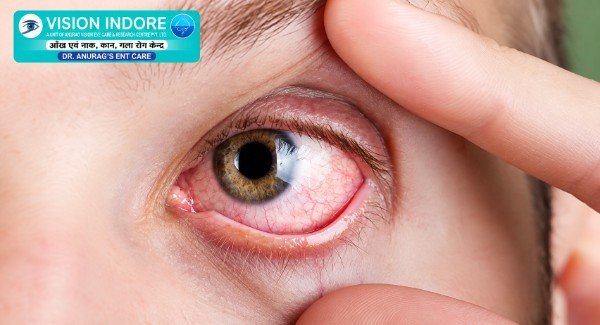
Dry eyes are a common problem that can affect people of different ages. You may notice burning, itching, redness, or a feeling that something is stuck in your eyes. Sometimes, your eyes may even water more than usual. These symptoms can make reading, using a mobile phone, working on a computer, or driving uncomfortable.
Occasional dryness may improve with simple changes in your daily routine. However, if the problem continues or affects your vision, it is important to understand its cause. Consulting the Best Eye Specialist Doctor in Indore can help you identify the reason for your symptoms and find suitable treatment.
What Are Dry Eyes?
Dry eye occurs when your eyes do not produce enough tears or when tears evaporate too quickly. Tears keep the surface of your eyes moist, protect them from irritation, and help you see clearly.
A healthy tear film contains water, oil, and mucus. These components work together to keep your eyes comfortable. If the tear film becomes unbalanced, your eyes may feel dry, gritty, or irritated.
Dry eyes can be temporary, but some people experience long-term symptoms that need regular care.
What Causes Dry Eyes?
Several factors can affect tear production and tear quality. Knowing the possible cause helps an eye specialist recommend the right treatment.
1. Long Screen Time
Looking at a computer, phone, or television for long periods can reduce how often you blink. When you blink less, tears may evaporate faster, causing dryness and eye strain.
2. Age-Related Changes
Tear production can decrease with age. Dry eyes are more common in older adults, particularly after hormonal changes that can affect tear production.
3. Air Conditioning and Weather
Air conditioners, fans, dry air, dust, and wind can increase tear evaporation. Spending long hours in an air-conditioned office may make eye dryness worse.
4. Contact Lenses
Some contact lens users experience dryness, discomfort, or a gritty feeling. Wearing lenses for longer than recommended may increase irritation.
5. Certain Medicines and Health Conditions
Some medicines, including certain allergy treatments and other prescription drugs, may contribute to dry eyes. Conditions affecting the eyelids, tear glands, or immune system can also play a role.
If your symptoms begin after starting a medicine, speak with your doctor before changing or stopping it.
Common Symptoms of Dry Eyes
Dry eye symptoms can vary from person to person. Some people experience mild discomfort, while others find it difficult to complete everyday tasks.
Common symptoms include:
- Burning, stinging, or itching in the eyes
- Redness and irritation
- A gritty feeling, as if sand is in the eyes
- Blurred vision that may improve after blinking
- Sensitivity to light
- Difficulty wearing contact lenses
- Watery eyes despite feeling dry
- Eye tiredness after reading or screen use
Watery eyes may seem surprising, but irritation from dryness can trigger extra tear production. These tears may not provide the same lasting lubrication as a healthy tear film.
If you have persistent symptoms, the Best Eye Specialist Doctor in Indore can examine your eyes and determine whether dry eye or another condition is responsible.
How Are Dry Eyes Diagnosed?
An eye specialist will ask about your symptoms, daily habits, medical history, and medicines. You may also be asked how much time you spend using screens and whether you wear contact lenses.
The examination may include checking your vision, looking at the surface of your eyes, assessing your eyelids, and evaluating tear production or tear quality. Special dyes may be used to observe how tears cover the eye and how quickly the tear film breaks up.
These checks help the doctor understand the severity of the problem and choose an appropriate treatment plan.
Dry Eye Treatment Options
Treatment depends on the cause, severity, and frequency of your symptoms. Not everyone needs the same approach.
1. Artificial Tears
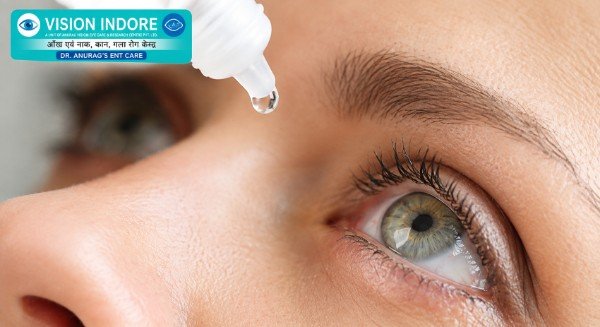
Lubricating eye drops, often called artificial tears, can help relieve mild dryness. If you need drops frequently, ask your eye specialist whether preservative-free options are suitable.
Avoid using redness-relief drops regularly for dry eye unless your doctor recommends them.
2. Warm Compresses and Eyelid Care
When eyelid oil glands are not working properly, tears may evaporate too quickly. A warm compress and gentle eyelid cleaning may help some people. Your eye specialist can explain how to do this safely.
3. Lifestyle Changes
Simple habits can reduce dryness during the day. Take regular breaks from screens, blink fully and often, avoid direct airflow toward your eyes, and consider using a humidifier in dry indoor spaces.
4. Prescription Treatment
If symptoms continue, your doctor may recommend prescription eye drops or other treatments to reduce inflammation or improve tear production. Some people may benefit from procedures that help tears remain on the eye surface for longer.
Do not start medicated eye drops, particularly steroid or antibiotic drops, without medical advice.
How Can You Prevent Dry Eyes?
You may be able to reduce symptoms by making a few changes to your routine:
- Follow the 20-20-20 rule when using screens: every 20 minutes, look at something about 20 feet away for 20 seconds.
- Remember to blink regularly while working.
- Keep fans and air-conditioning vents from blowing directly toward your face.
- Stay hydrated and get enough sleep.
- Clean contact lenses as directed and follow their recommended wearing schedule.
- Take breaks from contact lenses if they cause discomfort, and seek advice if symptoms continue.
These habits may help with mild dryness, but they cannot replace an eye examination when symptoms are persistent or severe.

When Should You See an Eye Specialist?
Arrange an eye examination if dryness keeps returning, does not improve with basic care, or interferes with reading, working, or other daily activities. You should also seek advice if you regularly need lubricating drops or experience ongoing redness and irritation.
If you are looking for the Best Eye Specialist Doctor in Indore, choose a qualified eye care professional who can examine the surface of your eyes, identify possible underlying causes, and explain the available treatment options.
Seek urgent medical attention if you experience sudden vision changes, significant eye pain, severe redness, or marked sensitivity to light. These symptoms may indicate a condition other than ordinary dry eyes.
Conclusion
Dry eyes can cause discomfort, affect concentration, and make everyday activities difficult. Common triggers include prolonged screen use, dry environments, ageing, contact lenses, and certain medicines or health conditions.
The right treatment depends on what is causing the dryness. Healthy screen habits and lubricating drops may help mild cases, while persistent symptoms may require a more detailed examination and specific treatment.
If your symptoms continue, consult the Best Eye Specialist Doctor in Indore for an accurate assessment and a treatment plan suited to your needs.
Frequently Asked Questions
1. What is the most common cause of dry eyes?
Common causes include reduced tear production, rapid tear evaporation, prolonged screen use, ageing, dry environments, and certain medicines.
2. Can dry eyes be treated permanently?
It depends on the underlying cause. Some cases improve with lifestyle changes and lubricating drops, while chronic dry eye may need ongoing management.
3. Which eye drops are best for dry eyes?
Artificial tears are commonly used for mild dryness. The most suitable option depends on your symptoms and how often you need drops. Ask an eye specialist for advice, especially if you need them frequently.
4. Can mobile phones and computers cause dry eyes?
Yes. Screen use can reduce blinking, allowing tears to evaporate faster. Regular breaks and conscious blinking may help reduce symptoms.
5. When should I visit the Best Eye Specialist Doctor in Indore for dry eyes?
Consider an appointment if symptoms persist, keep returning, or affect daily activities. Seek urgent care for significant eye pain, sudden vision changes, severe redness, or marked light sensitivity.


