
10 Common ENT Issues in Children and How to Treat Them
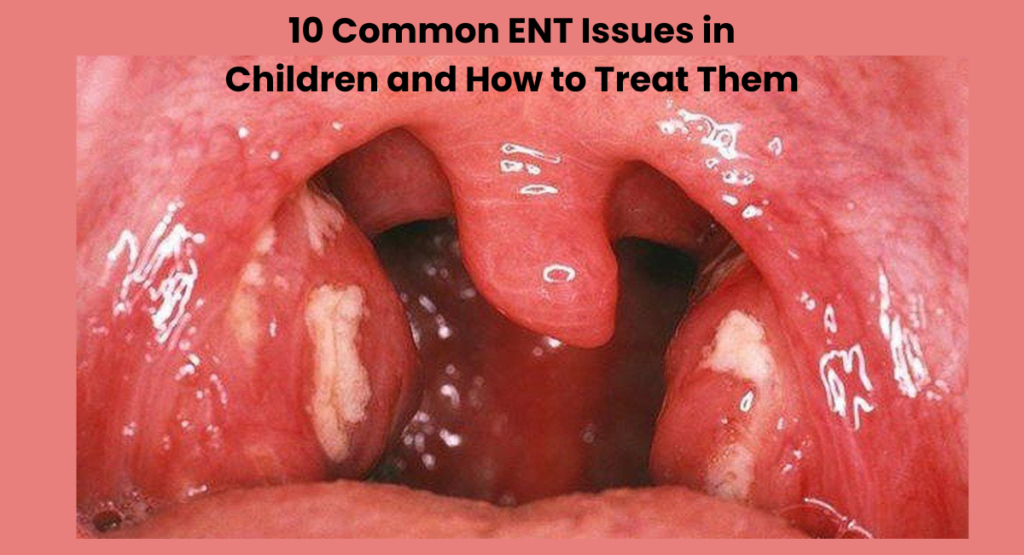
Children are more vulnerable to ear, nose, and throat (ENT) problems than adults. Their immune systems are still developing, they are frequently exposed to infections in schools and playgrounds, and their smaller anatomical structures make them more prone to blockages and inflammation. While many ENT issues are mild and resolve on their own, some require proper medical attention to prevent complications. we will discuss 10 common ENT issues in children, their symptoms, causes, and treatment options, along with guidance on when to consult an ent specialist indore. 1. Ear Infections (Otitis Media) Ear infections are one of the most common ENT problems in children. They usually occur when bacteria or viruses infect the middle ear, often after a cold or respiratory infection. Symptoms: Treatment: Mild ear infections may clear up on their own with rest and pain relievers. If the infection is bacterial, antibiotics may be prescribed. Recurrent ear infections may require minor surgical intervention such as ear tube placement, which can be performed by an experienced ent specialist indore. 2. Tonsillitis Tonsillitis refers to inflammation of the tonsils, typically caused by viral or bacterial infections. Symptoms: Treatment: Viral tonsillitis usually resolves with rest, hydration, and supportive care. Bacterial infections like strep throat require antibiotics. If a child experiences frequent or severe episodes, a tonsillectomy may be recommended after evaluation by an ent specialist indore. 3. Enlarged Adenoids Adenoids are located behind the nose and help fight infections. However, when they become enlarged, they can block airflow and lead to breathing issues. Symptoms: Treatment: Medication may reduce swelling in mild cases. In more severe cases, surgical removal (adenoidectomy) may be required to improve breathing and sleep quality. 4. Allergic Rhinitis Allergic rhinitis, also known as hay fever, is common in children and occurs when the immune system reacts to allergens like dust, pollen, or pet dander. Symptoms: Treatment: Treatment includes avoiding known allergens, using antihistamines, and nasal sprays. Long-term allergy management may be necessary in persistent cases, often guided by an ent specialist indore. 5. Sinusitis Sinusitis is inflammation or infection of the sinus cavities. It often develops after a cold or due to allergies. Symptoms: Treatment: Most sinus infections are viral and improve within 10 days. Bacterial sinusitis may require antibiotics. Chronic sinusitis may need specialized treatment to prevent complications. 6. Nosebleeds (Epistaxis) Nosebleeds are common in children and are usually harmless. They often occur due to dry air, nose picking, or minor injuries. Symptoms: Treatment: To stop a nosebleed, gently pinch the soft part of the nose for 10 minutes while the child leans forward. Frequent nosebleeds may require medical evaluation to rule out underlying causes. 7. Hearing Loss Hearing problems in children can affect speech development, learning, and social skills. Causes: Symptoms: Treatment: Treatment depends on the cause and may include medication, ear cleaning, hearing aids, or surgical procedures. Early diagnosis is crucial for proper speech and cognitive development. 8. Laryngitis Laryngitis is inflammation of the voice box (larynx), commonly caused by viral infections or excessive voice use. Symptoms: Treatment: Voice rest, hydration, and humidified air usually help. If symptoms persist beyond two weeks, further evaluation may be needed. 9. Foreign Objects in the Ear or Nose Young children often insert small objects into their ears or noses out of curiosity. Symptoms: Treatment: Do not attempt to remove the object at home, as it may push it deeper. A trained ENT doctor can safely remove it without causing injury. 10. Pediatric Sleep Apnea Sleep apnea in children occurs when breathing repeatedly stops during sleep, often due to enlarged tonsils or adenoids. Symptoms: Treatment: Treatment may involve removing enlarged tonsils or adenoids. Early intervention improves sleep quality, concentration, and overall growth. When Should You See a Specialist? While many ENT conditions are mild, certain signs require professional attention: In such cases, consulting an ent specialist indore can ensure accurate diagnosis and proper treatment. Specialized care helps prevent long-term complications and improves your child’s overall well-being. Preventing ENT Problems in Children Prevention is always better than treatment. Here are some practical tips: Regular check-ups with an ent specialist indore can help detect potential issues early, especially if your child has a history of recurrent ENT problems. Conclusion ENT problems are common in children, but most can be managed effectively with timely care and proper treatment. Recognizing symptoms early and understanding when to seek professional help can make a significant difference in your child’s health. From ear infections and tonsillitis to sleep apnea and sinusitis, early diagnosis is essential. If your child frequently experiences ear, nose, or throat issues, seeking guidance from a qualified ent specialist indore can provide the right treatment plan and long-term relief. Protecting your child’s ENT health ensures better sleep, improved learning, and a happier childhood overall.
5 Reasons You Should See An ENT For Your Ear Problems

Ear problems are often ignored until they become severe. Many people assume that ear pain, ringing sounds, or mild hearing loss will resolve on their own. While some minor issues may improve naturally, persistent or recurring ear symptoms can indicate underlying conditions that require professional medical attention. Your ears are delicate organs responsible not only for hearing but also for balance, and any disruption can significantly affect your daily life. If you are experiencing ongoing ear concerns, consulting the Best ENT specialist Indore can help ensure accurate diagnosis and effective treatment. An ENT (Ear, Nose, and Throat) specialist has the expertise and equipment necessary to evaluate complex ear conditions that general treatments may not fully address. Below are five important reasons why seeing an ENT for your ear problems is essential. 1. Persistent Ear Pain Should Never Be Ignored Ear pain is one of the most common symptoms people experience. While it can sometimes result from minor causes like temporary pressure changes, persistent ear pain may signal a more serious issue. Common causes of prolonged ear pain include: Many people attempt home remedies or over-the-counter medications. However, treating ear pain without knowing the exact cause can delay proper care. An ENT specialist uses specialized tools such as otoscopes and imaging tests to carefully examine the ear canal and eardrum. Early treatment not only relieves discomfort but also prevents complications like hearing damage or the spread of infection. If your ear pain lasts more than a few days or keeps returning, it is wise to seek expert medical evaluation. 2. Hearing Loss Requires Immediate Attention Hearing loss can develop gradually, making it easy to overlook. You might notice that you need to increase the volume on your television, ask people to repeat themselves, or struggle to hear conversations in noisy environments. Hearing loss can be categorized into: Ignoring hearing problems can lead to communication difficulties, social isolation, and reduced quality of life. In children, untreated hearing issues can even affect speech and learning development. An ENT specialist performs hearing evaluations, including audiometry tests, to determine the type and severity of hearing loss. Once diagnosed, treatment options may include medication, earwax removal, minor procedures, or hearing aids. Seeking professional help at the earliest sign of hearing changes increases the chances of successful treatment and prevents permanent damage. 3. Recurring Ear Infections Need Specialized Care Occasional ear infections are common, especially in children. However, frequent or recurring infections are not normal and should be thoroughly evaluated. Symptoms of chronic ear infections may include: Repeated infections can lead to complications such as fluid buildup behind the eardrum, eardrum perforation, or long-term hearing problems. An ENT specialist identifies the root cause of recurring infections. Sometimes, enlarged adenoids, allergies, sinus infections, or structural issues contribute to repeated episodes. Treatment may involve antibiotics, drainage procedures, or minor surgical interventions such as ear tube placement. Consulting the Best ENT specialist Indore ensures that the condition is managed properly, reducing the risk of future infections and protecting long-term ear health. 4. Ringing in the Ears (Tinnitus) Can Signal Underlying Issues Tinnitus refers to hearing sounds like ringing, buzzing, humming, or whistling when no external sound is present. While occasional ringing may not be serious, persistent tinnitus can be distressing and disruptive. Possible causes of tinnitus include: Tinnitus may also be associated with conditions affecting blood circulation or nerve pathways. Because it can stem from various causes, proper evaluation is essential. An ENT specialist conducts comprehensive tests to determine the underlying reason for tinnitus. Treatment may involve managing hearing loss, removing blockages, adjusting medications, or recommending sound therapy. Ignoring persistent ringing in the ears may allow the condition to worsen. Early intervention can significantly improve symptom control and overall comfort. 5. Balance Problems and Dizziness May Be Ear-Related Many people are surprised to learn that the inner ear plays a crucial role in maintaining balance. If you experience dizziness, vertigo, or a spinning sensation, your ears could be the cause. Common ear-related balance disorders include: Symptoms of balance disorders may include: Balance problems can increase the risk of falls and injuries, particularly in older adults. Since dizziness can also be linked to neurological or cardiovascular issues, accurate diagnosis is crucial. An ENT specialist performs vestibular testing to identify the exact cause of vertigo or imbalance. Treatment may include repositioning maneuvers, medications, dietary adjustments, or vestibular rehabilitation therapy. When dizziness interferes with daily activities, consulting the Best ENT specialist Indore can help restore stability and confidence. Why Early Diagnosis Matters Ear conditions often start with mild symptoms that gradually become severe if left untreated. Early diagnosis provides several advantages: Modern ENT clinics are equipped with advanced diagnostic tools such as endoscopic examinations, hearing tests, and imaging technologies. These tools allow for precise and effective treatment planning. When Should You Visit an ENT Specialist? You should consider seeing an ENT specialist if you experience: Delaying professional care can worsen symptoms and make treatment more complicated. Protecting Your Ear Health In addition to seeking timely medical attention, you can protect your ears by: Preventive care plays a vital role in maintaining healthy ears and avoiding long-term complications. Final Thoughts Your ears are delicate and essential for communication, balance, and overall well-being. Ignoring ear problems can lead to serious complications that affect your daily life. Whether you are dealing with persistent pain, hearing changes, infections, tinnitus, or balance issues, professional evaluation is crucial. Seeking help from the Best ENT specialist Indore ensures accurate diagnosis and personalized treatment tailored to your condition. Early care not only relieves symptoms but also protects your hearing and balance for the future. If you notice any unusual ear symptoms, do not wait for them to worsen. Prioritize your ear health today and take the first step toward long-term wellness by consulting the Best ENT specialist Indore for expert guidance and care.