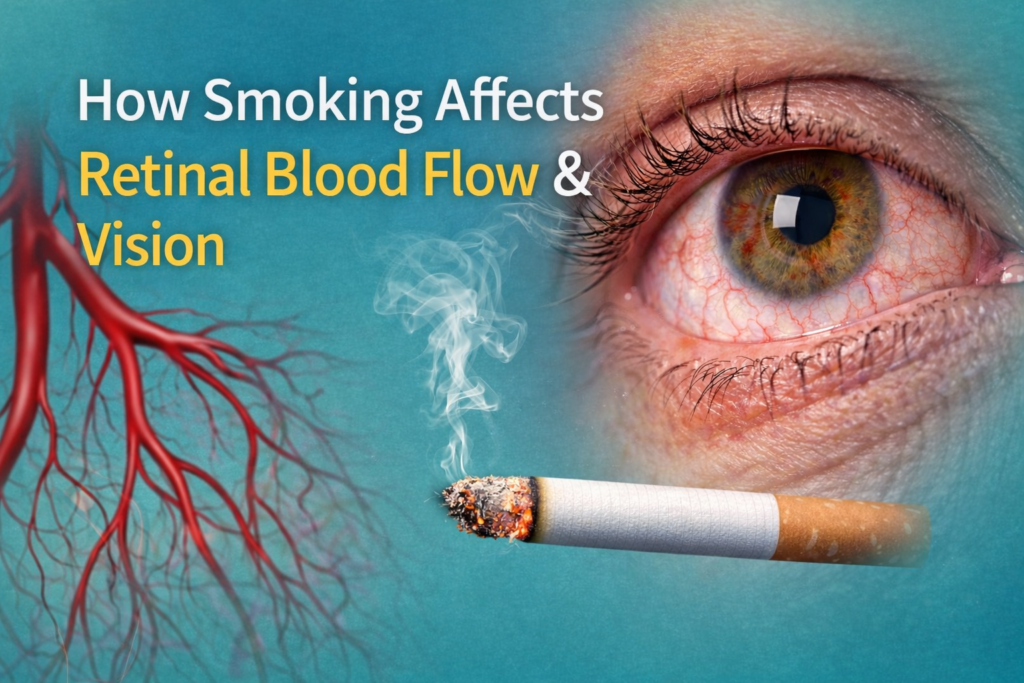
Smoking is widely known to harm the lungs and heart, but its damaging effects on eye health-especially the retina-are often overlooked. The retina is a highly sensitive tissue that depends on a rich and steady blood supply to function properly, and even minor disruptions can threaten vision. When smoking interferes with retinal blood flow, it can gradually impair vision and increase the risk of serious, sometimes irreversible eye diseases, making early evaluation by a Retina Specialist crucial. Understanding how smoking affects the retina is essential for protecting long-term vision and overall eye health.
Understanding the Retina and Its Blood Supply
The retina is a thin, light-sensitive layer of tissue lining the back of the eye. It plays a vital role in converting light into electrical signals that the brain interprets as vision. Because of its high metabolic activity, the retina requires a continuous supply of oxygen and nutrients delivered through a complex network of blood vessels.
Even minor disruptions in retinal circulation can lead to cell damage. Over time, reduced blood flow may cause degeneration of retinal cells, resulting in blurred vision, blind spots, or permanent vision loss. This delicate balance makes the retina particularly vulnerable to the harmful effects of smoking.
How Smoking Affects Blood Flow in the Retina
Smoking introduces thousands of toxic chemicals into the bloodstream, many of which directly affect blood vessels.
1. Vasoconstriction and Reduced Oxygen
Nicotine causes blood vessels to constrict, narrowing their diameter. When retinal blood vessels constrict, less oxygen-rich blood reaches the retinal tissue. This oxygen deprivation stresses retinal cells and reduces their ability to function normally.
2. Carbon Monoxide and Oxygen Deprivation
Cigarette smoke contains carbon monoxide, which binds to hemoglobin more readily than oxygen. This reduces the amount of oxygen that red blood cells can deliver to tissues, including the retina. Chronic oxygen deprivation accelerates retinal damage and increases the risk of vascular complications.
3. Increased Blood Thickness
Smoking can increase blood viscosity, making it thicker and more prone to clot formation. Thickened blood flows less efficiently through the tiny retinal capillaries, further reducing nutrient delivery and increasing the likelihood of blockages.
Oxidative Stress and Retinal Damage
Smoking is a major source of oxidative stress. Free radicals generated by tobacco smoke damage cells by altering their structure and function.
The retina is especially susceptible to oxidative stress because of its high exposure to light and oxygen. Over time, oxidative damage can break down retinal cells, disrupt photoreceptors, and impair visual processing. This process plays a significant role in the development of several smoking-related retinal diseases.
Smoking and Major Retinal Diseases
1. Age-Related Macular Degeneration (AMD)
Smoking is one of the strongest modifiable risk factors for age-related macular degeneration. AMD affects the macula, the central part of the retina responsible for sharp, detailed vision. Smokers are significantly more likely to develop AMD and tend to experience faster disease progression than non-smokers.
Damage to retinal blood vessels and increased oxidative stress caused by smoking accelerate macular degeneration, leading to difficulty reading, recognizing faces, and performing daily tasks.
2. Diabetic Retinopathy
In people with diabetes, smoking worsens blood vessel damage throughout the body, including the retina. Smoking increases inflammation and impairs blood flow, intensifying the effects of high blood sugar on retinal vessels.
This combination raises the risk of retinal bleeding, fluid leakage, and abnormal blood vessel growth. A Retina Specialist often emphasizes smoking cessation as a critical part of managing diabetic eye disease.
3. Retinal Vein and Artery Occlusion
Smoking increases the risk of blood clots, which can block retinal veins or arteries. Retinal vein occlusion leads to swelling, bleeding, and sudden vision loss, while retinal artery occlusion is a medical emergency that can cause immediate and severe vision loss.
Both conditions are closely linked to poor vascular health, making smokers particularly vulnerable.
4. Cataracts and Indirect Retinal Impact
Although cataracts affect the lens rather than the retina, smoking-related cataracts reduce the amount of light reaching the retina. Over time, reduced visual input can affect retinal stimulation and overall visual quality, compounding vision problems.
Long-Term Vision Effects of Smoking
The effects of smoking on retinal blood flow are often gradual, which makes early damage easy to ignore. Many smokers do not notice symptoms until significant retinal injury has already occurred.
Common long-term effects include:
- Reduced contrast sensitivity
- Poor night vision
- Blurred or distorted central vision
- Increased sensitivity to glare
- Permanent blind spots
Once retinal cells are damaged or destroyed, they cannot regenerate. This is why early intervention and lifestyle changes are so important.
Can Quitting Smoking Improve Retinal Health?
The good news is that quitting smoking can significantly slow the progression of retinal damage. While some damage may be irreversible, smoking cessation improves blood circulation, reduces inflammation, and lowers oxidative stress throughout the body.
Over time, improved oxygen delivery helps preserve remaining retinal cells and reduces the risk of further vision loss. Many patients who quit smoking experience better treatment outcomes when managing retinal diseases under the care of a Retina Specialist.
Diagnosis and Monitoring of Smoking-Related Retinal Damage
Detecting smoking-related retinal damage requires comprehensive eye examinations and advanced imaging techniques.
Common diagnostic tools include:
- Dilated retinal examination
- Optical Coherence Tomography (OCT)
- Fundus photography
- Retinal angiography to assess blood flow
These tests help identify early vascular changes, swelling, or degeneration before severe vision loss occurs. Regular monitoring is especially important for smokers and former smokers.
Treatment Options for Retinal Conditions in Smokers
Treatment depends on the specific retinal condition and its severity.
1. Medications and Injections
Anti-inflammatory and anti-VEGF injections may be used to reduce swelling and abnormal blood vessel growth in conditions such as diabetic retinopathy or macular degeneration.
2. Laser Therapy
Laser treatment can help seal leaking blood vessels or prevent further retinal damage in certain vascular conditions. A Retina Specialist carefully determines whether laser therapy is appropriate based on individual retinal findings.
3. Surgical Intervention
In advanced cases involving retinal detachment or severe bleeding, surgical procedures such as vitrectomy may be required to preserve vision.
Regardless of treatment type, quitting smoking greatly improves the effectiveness of retinal therapies.
Who Is at Highest Risk?
Smoking-related retinal damage is more likely in individuals who:
- Smoke heavily or for many years
- Have diabetes or high blood pressure
- Have a family history of retinal disease
- Are over the age of 50
- Have poor cardiovascular health
For these individuals, regular eye checkups are essential.
Prevention: Protecting Your Retina from Smoking Damage
Preventing retinal damage begins with lifestyle choices. The most effective preventive step is quitting smoking altogether.
Additional protective measures include:
- Maintaining healthy blood pressure and blood sugar levels
- Eating a diet rich in antioxidants and omega-3 fatty acids
- Wearing UV-protective eyewear
- Scheduling regular comprehensive eye exams
Early guidance from a Retina Specialist can help identify risks and create a proactive eye-care plan.
When to See a Retina Specialist
If you are a smoker or former smoker and notice changes in vision-such as blurriness, dark spots, or distortion-seek evaluation promptly. Early diagnosis allows for timely treatment and better long-term outcomes.
Regular consultations with a Retina Specialist are especially important for individuals with existing retinal conditions or systemic diseases that affect blood vessels.
Final Thoughts
Smoking has a profound and often underestimated impact on retinal blood flow and vision. By constricting blood vessels, reducing oxygen delivery, and increasing oxidative stress, smoking accelerates retinal damage and raises the risk of serious eye diseases. While some effects may be permanent, quitting smoking and seeking timely medical care can protect remaining vision and slow disease progression.
Your eyesight is invaluable. Understanding the risks, making healthier choices, and working closely with a Retina Specialist can help preserve clear vision for years to come.