
Laser Eye Treatment in Indore: Safe & Advanced Vision Correction

Clear vision plays an important role in daily life, from reading and driving to working comfortably on digital screens. Many people rely on glasses or contact lenses to manage vision problems, but advancements in medical technology now offer a long-term solution. If you are searching for reliable and advanced laser eye treatment in Indore, VISION INDORE CENTER FOR EYE AND ENT CARE provides modern vision correction treatments designed to improve visual clarity and reduce dependency on corrective eyewear. With experienced specialists, advanced equipment, and patient-focused care, the center offers safe and effective laser eye procedures tailored to individual vision needs. What Is Laser Eye Surgery? Laser eye surgery is a modern medical procedure used to correct common vision problems such as nearsightedness (myopia), farsightedness (hyperopia), and astigmatism. The treatment reshapes the cornea using advanced laser technology, allowing light entering the eye to focus correctly on the retina. This improves overall vision and reduces or eliminates the need for glasses or contact lenses. Over the years, laser eye procedures have become highly advanced, safe, and minimally invasive. Millions of people worldwide have benefited from laser vision correction because of its accuracy, quick recovery time, and long-lasting results. At VISION INDORE CENTER FOR EYE AND ENT CARE, every patient undergoes a detailed eye evaluation before the procedure to ensure suitability and safety. Understanding the Basics Laser eye surgery is designed for individuals who have stable vision prescriptions and healthy eyes. The procedure is commonly recommended for people above 18 years of age who are tired of depending on glasses or contact lenses for daily activities. Some of the common conditions treated through laser eye treatment include: Not everyone may be an ideal candidate for laser surgery. Factors such as corneal thickness, eye health, age, and medical history are carefully evaluated before treatment. A professional consultation helps determine the most suitable procedure for each patient. Choosing advanced laser eye treatment in Indore ensures proper diagnosis, personalized care, and better long-term outcomes. How It Works Laser eye surgery works by reshaping the cornea, which is the transparent front surface of the eye. The laser precisely adjusts the shape of the cornea so that light rays focus properly on the retina, resulting in clearer vision. The procedure is usually quick and performed under local anesthetic eye drops. Most laser treatments are completed within a short time, and patients generally return home the same day. The process typically includes: 1. Comprehensive Eye Examination A detailed eye assessment is conducted to measure vision, corneal thickness, eye pressure, and overall eye health. 2. Personalized Treatment Planning Based on the evaluation, specialists create a customized treatment plan suited to the patient’s eye condition and visual goals. 3. Laser Procedure Advanced laser technology is used to reshape the cornea with high precision. The procedure is generally painless and takes only a few minutes for each eye. 4. Recovery and Follow-Up Most patients notice improvement in vision within a few days. Regular follow-up visits help monitor healing and ensure optimal recovery. Modern laser technology offers high accuracy, improved safety, and faster healing compared to traditional corrective procedures. What to Expect During and After Surgery Many patients feel nervous before laser eye surgery, but understanding the process can help reduce anxiety. Before the procedure begins, anesthetic eye drops are applied to keep the eyes comfortable. During the treatment, patients may experience slight pressure but usually no pain. After surgery, mild irritation, dryness, or sensitivity to light may occur temporarily. These symptoms generally improve within a few days. Doctors may prescribe eye drops and provide post-treatment instructions to support healing and protect the eyes. Patients are usually advised to: Most individuals can resume normal daily activities within a short period, although complete healing may vary from person to person. Benefits of Laser Eye Treatment laser eye treatment in Indore offers several advantages for people looking for long-term vision correction: For many individuals, laser treatment improves both confidence and quality of life by allowing greater freedom in everyday tasks. Why Choose VISION INDORE CENTER FOR EYE AND ENT CARE? Choosing the right healthcare center is essential for safe and successful treatment. VISION INDORE CENTER FOR EYE AND ENT CARE is committed to providing advanced eye treatment with a strong focus on patient safety, comfort, and personalized care. The center is managed by experienced specialists including Dr. Pragya Prakash (MBBS, DNB – Ophthalmology), who provides expert diagnosis and treatment for various eye conditions. Patients benefit from: Whether you are considering laser vision correction for convenience or improved quality of life, choosing trusted laser eye treatment in Indore can help you achieve safer and more effective results. Conclusion Laser eye surgery has transformed the way vision problems are treated, offering a safe and effective alternative to glasses and contact lenses. With advanced technology and expert medical guidance, patients can experience clearer vision and improved confidence in their daily lives. If you are looking for professional and advanced laser eye care, VISION INDORE CENTER FOR EYE AND ENT CARE offers reliable treatment options tailored to your individual needs. Early consultation and proper evaluation can help determine the best path toward better vision and long-term eye health.
Top Causes of Chronic Throat Pain and How Specialists Treat It

Chronic throat pain is more than just a temporary irritation—it can interfere with your daily life, communication, and overall well-being. While occasional throat discomfort is common, pain that persists for weeks or keeps coming back may signal an underlying issue that requires medical attention. Understanding the causes and knowing when to consult a voice specialist doctor can help you find the right treatment and long-term relief. What is Chronic Throat Pain? Chronic throat pain refers to discomfort, irritation, or soreness in the throat that lasts longer than two weeks or occurs repeatedly. Unlike acute infections, chronic conditions often have deeper causes that need proper diagnosis and targeted treatment. Top Causes of Chronic Throat Pain 1. Persistent Infections One of the most common reasons for long-lasting throat pain is untreated or recurring infections such as Pharyngitis or Tonsillitis. These infections can be bacterial or viral and may not fully resolve without appropriate care. Symptoms may include: A voice specialist doctor can identify whether the infection is lingering and prescribe medications or further treatment. 2. Laryngitis Chronic laryngitis occurs when the voice box becomes inflamed over time. This condition is especially common among people who use their voice extensively, such as teachers, singers, or public speakers. Common signs: A voice specialist doctor can examine your vocal cords and suggest treatments such as voice therapy or medication. 3. Acid Reflux and GERD Acid reflux is a major but often overlooked cause of chronic throat pain. In GERD, stomach acid flows back into the esophagus and throat, causing irritation. Symptoms include: A voice specialist doctor often works alongside gastro specialists to manage this condition through diet changes, medications, and lifestyle adjustments. 4. Allergies and Environmental Irritants Allergies to dust, pollen, or pollution can lead to ongoing throat irritation. Environmental factors such as smoking or exposure to chemicals can also damage throat tissues over time. Signs to watch: In such cases, a voice specialist doctor may recommend allergy management strategies and protective measures. 5. Vocal Strain and Overuse Excessive use of your voice without proper care can strain your throat muscles and vocal cords. This is a common issue for professionals who rely heavily on speaking. Symptoms include: A voice specialist doctor can guide you on proper voice techniques and exercises to prevent further damage. 6. Post-Nasal Drip Post-nasal drip occurs when excess mucus from the nose drips down the back of the throat, causing irritation and discomfort. Common causes: Treatment often involves managing the underlying condition, and a voice specialist doctor can help identify the root cause. 7. Serious Conditions like Throat Cancer Although less common, chronic throat pain can sometimes indicate a serious condition like throat cancer. Early detection is crucial for effective treatment. Warning signs include: If these symptoms are present, consulting a voice specialist doctor immediately is essential for early diagnosis and care. How Specialists Diagnose Chronic Throat Pain A thorough diagnosis is the first step toward effective treatment. A voice specialist doctor typically performs: These evaluations help pinpoint the exact cause and guide the treatment plan. Treatment Options for Chronic Throat Pain 1. Medications Depending on the cause, treatment may include: A voice specialist doctor ensures the medication is appropriate and effective. 2. Voice Therapy For patients with vocal strain or laryngitis, voice therapy can be highly beneficial. This involves exercises to improve voice use and reduce stress on the vocal cords. 3. Lifestyle Changes Simple lifestyle adjustments can significantly improve throat health: A voice specialist doctor often provides personalized guidance based on your condition. 4. Surgical Treatment (if needed) In rare cases, surgery may be required, especially for structural issues or tumors. Early consultation ensures timely intervention. When Should You See a Specialist? You should consult a voice specialist doctor if: Ignoring chronic throat pain can lead to complications, so timely medical advice is important. Final Thoughts Chronic throat pain should never be overlooked. While it may start as a minor discomfort, it can point to underlying health issues that require attention. From infections and acid reflux to vocal strain and more serious conditions, identifying the root cause is key to effective treatment. A qualified voice specialist doctor plays a crucial role in diagnosing and managing these problems. With the right care, treatment, and lifestyle changes, you can protect your throat health and maintain a clear, strong voice.
Microlaryngoscopy: Procedure, Benefits, and Recovery Guide
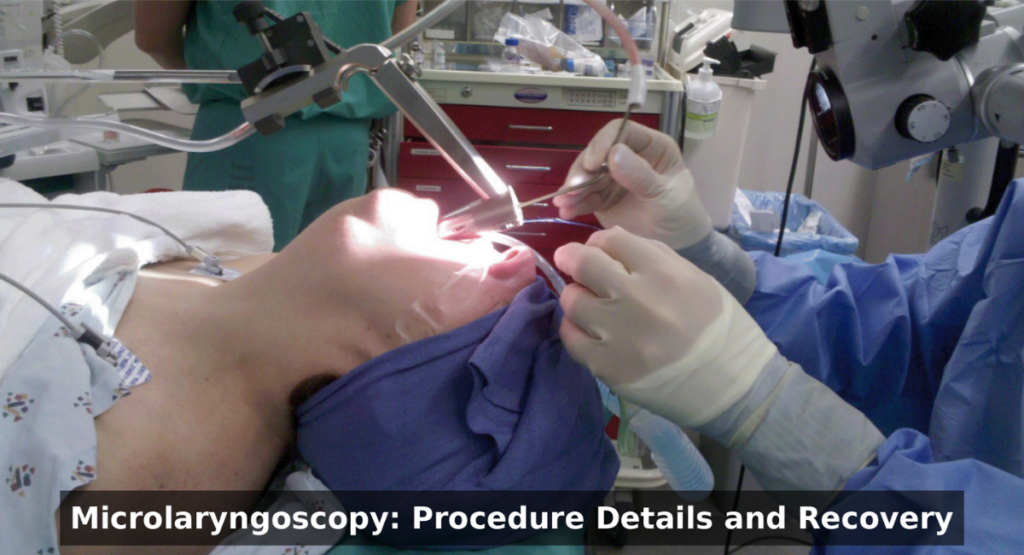
Voice plays a crucial role in our daily lives, whether for communication, professional use, or personal expression. When persistent voice issues arise, doctors may recommend a specialized procedure called microlaryngoscopy. This advanced technique helps diagnose and treat problems affecting the vocal cords and larynx (voice box). In this blog, we will explore what microlaryngoscopy is, why it is performed, how the procedure works, and what to expect during recovery. If you are dealing with long-term voice problems, consulting an experienced ENT doctor in Indore can help you get the right guidance and treatment. What is Microlaryngoscopy? Microlaryngoscopy is a medical procedure used to examine the larynx and vocal cords in detail using a microscope. It allows doctors to get a magnified view of the throat, making it easier to identify abnormalities that cannot be seen through routine examinations. This procedure is often performed by an ENT (Ear, Nose, and Throat) specialist or a voice specialist doctor. If you are based in Madhya Pradesh, visiting an experienced ENT doctor in Indore can ensure accurate diagnosis and proper care. Why is Microlaryngoscopy Performed? Doctors recommend microlaryngoscopy when patients experience persistent or unexplained voice-related symptoms. Some common reasons include: For individuals who rely heavily on their voice, such as singers, teachers, or public speakers, early diagnosis is essential. Consulting an ENT doctor in Indore at the right time can prevent complications and speed up recovery. Types of Conditions Treated Microlaryngoscopy can help diagnose and treat several conditions, including: By identifying the exact cause, doctors can provide targeted treatment, improving both voice quality and overall throat health. How the Procedure is Performed Microlaryngoscopy is usually carried out in a hospital or surgical center under general anesthesia. This ensures that the patient remains comfortable and pain-free during the procedure. Step-by-Step Process: The entire procedure typically takes about 30 to 60 minutes, depending on the complexity. Benefits of Microlaryngoscopy Microlaryngoscopy offers several advantages over traditional diagnostic methods: For best outcomes, it is always recommended to choose a qualified specialist, such as a trusted ENT doctor in Indore with experience in voice-related procedures. What to Expect After the Procedure After the procedure, patients are moved to a recovery area until the effects of anesthesia wear off. Most people can go home the same day. Common Post-Procedure Symptoms: These symptoms are usually temporary and improve within a few days. Recovery and Aftercare Proper aftercare is essential for a smooth recovery and optimal voice healing. Do’s: Don’ts: Recovery Time: Most patients recover within 1 to 2 weeks, although full voice recovery may take slightly longer depending on the condition treated. Risks and Complications Microlaryngoscopy is generally a safe procedure, but like any medical intervention, it carries some risks. These are rare but may include: Choosing a skilled specialist reduces these risks significantly. If you are searching for treatment options, consulting a reliable ENT doctor in Indore can help ensure safety and proper care. When to See a Voice Specialist Doctor You should consult a voice specialist doctor if you experience: Timely consultation can prevent the condition from worsening and improve treatment outcomes. Final Thoughts Microlaryngoscopy is a highly effective and safe procedure for diagnosing and treating voice-related disorders. With its ability to provide detailed visualization and immediate treatment, it has become a preferred choice among ENT specialists. If you are experiencing persistent voice issues, do not ignore the symptoms. Seeking help from an experienced ENT doctor in Indore can ensure timely diagnosis and effective treatment. With proper care, early intervention, and adherence to recovery guidelines, most patients regain normal voice function and improve their quality of life.
10 Signs You Are Not Getting Enough Sleep
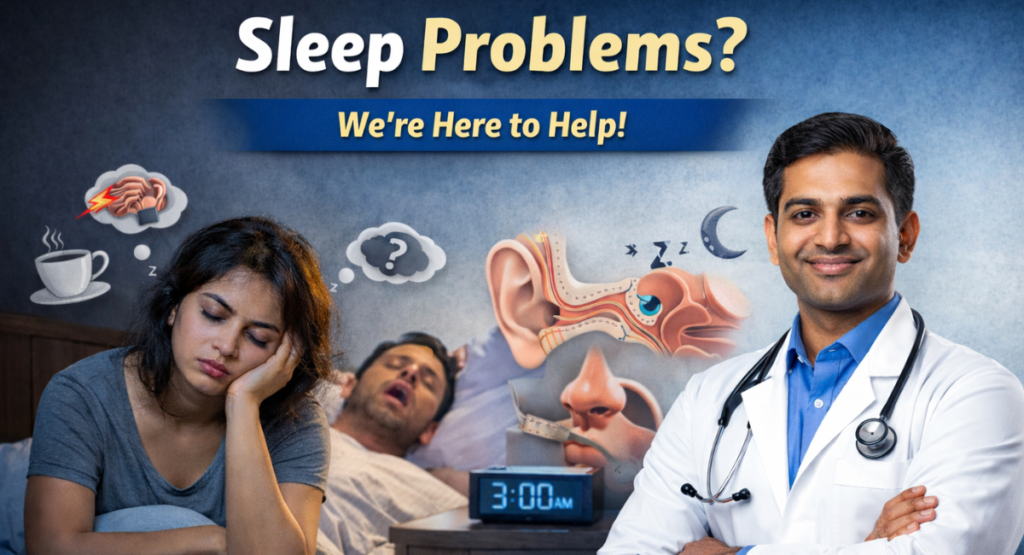
Sleep is one of the most important parts of a healthy lifestyle. However, many people today struggle with poor sleep due to stress, busy schedules, excessive screen time, and health issues. When you do not get enough sleep, your body and mind begin to show warning signs. Ignoring these signs can lead to serious health problems over time. If you are constantly feeling tired or experiencing unusual symptoms, it may be time to pay attention to your sleep habits and consult a healthcare professional, such as an ENT specialist in Indore, who can help identify possible underlying causes like breathing issues, sinus problems, or sleep-related disorders. In this article, we will discuss 10 common signs that indicate you are not getting enough sleep. 1. Constant Fatigue During the Day One of the most obvious signs of sleep deprivation is feeling tired throughout the day. Even after waking up in the morning, you may feel exhausted and low on energy. People who do not get enough sleep often struggle to stay awake during meetings, work, or even while watching television. This constant fatigue can reduce productivity and affect your overall mood. 2. Difficulty Concentrating Sleep plays a vital role in brain function. When you are sleep-deprived, your ability to concentrate, focus, and process information becomes weaker. You may notice that simple tasks take longer to complete or that you frequently forget things. If concentration problems persist, it may be helpful to seek guidance from an ENT specialist in Indore to rule out conditions such as sleep apnea or breathing-related sleep disturbances. 3. Frequent Irritability and Mood Swings Lack of sleep directly affects your emotional health. People who do not get enough sleep often experience mood swings, irritability, and increased stress levels. You may find yourself becoming easily frustrated over small issues. Over time, poor sleep can also increase the risk of anxiety and depression. 4. Frequent Headaches Morning headaches are another common sign of poor sleep. These headaches may occur because of insufficient oxygen supply to the brain during sleep or due to tension and fatigue. Sometimes, conditions such as snoring or blocked nasal passages can contribute to these symptoms. In such cases, consulting an ENT specialist in Indore can help identify and treat the underlying issue. 5. Weakened Immune System Sleep is essential for maintaining a strong immune system. When your body does not get enough rest, it becomes more vulnerable to infections and illnesses. You may notice that you catch colds more frequently or take longer to recover from minor illnesses. This happens because your body does not have enough time to repair and strengthen its defenses during sleep. 6. Increased Cravings for Unhealthy Food Lack of sleep can disrupt the hormones that regulate hunger and appetite. As a result, people who are sleep-deprived often crave sugary, salty, or high-calorie foods. These cravings can lead to unhealthy eating habits and weight gain over time. Proper sleep helps maintain balanced hormone levels and reduces unnecessary cravings. 7. Poor Memory Sleep plays an important role in memory consolidation. When you sleep, your brain processes and stores information from the day. Without sufficient sleep, your brain struggles to retain information. This can lead to forgetfulness, difficulty recalling details, and problems with learning new things. 8. Frequent Snoring or Breathing Problems Snoring may seem harmless, but frequent snoring or breathing interruptions during sleep can indicate a condition known as sleep apnea. Sleep apnea prevents your body from getting enough oxygen while you sleep, which leads to poor-quality rest. If you or your partner notice loud snoring or pauses in breathing at night, it is advisable to consult an ENT specialist in Indore for proper diagnosis and treatment. 9. Low Motivation and Productivity When you do not get enough sleep, your energy levels drop significantly. As a result, you may feel less motivated to complete daily tasks or pursue personal goals. Sleep deprivation affects both physical and mental performance, making even simple activities feel overwhelming. Improving your sleep routine can significantly boost productivity and overall well-being. 10. Dark Circles and Dull Skin Your skin also reflects the quality of your sleep. Lack of sleep can cause dark circles, puffiness around the eyes, and dull-looking skin. During sleep, your body repairs damaged cells and promotes healthy skin regeneration. Without enough rest, these repair processes slow down, leading to visible signs of fatigue. Tips to Improve Your Sleep Quality If you recognize several of these signs, it may be time to improve your sleep habits. Here are some simple tips that can help: If sleep problems persist, it is important to seek medical advice. An experienced ENT specialist in Indore can evaluate conditions like sinus congestion, nasal blockage, or sleep apnea that may interfere with your sleep. Conclusion Sleep is essential for maintaining both physical and mental health. Ignoring sleep problems can lead to long-term complications such as chronic fatigue, weakened immunity, and reduced cognitive performance. By paying attention to the signs discussed above, you can take early steps to improve your sleep quality and overall health. If symptoms like snoring, breathing difficulties, or frequent headaches continue, consulting a qualified ENT specialist in Indore can help identify the root cause and provide effective treatment. Prioritizing sleep today will help you lead a healthier and more productive life tomorrow. 😴
Ear Infections: Causes, Symptoms & Treatment
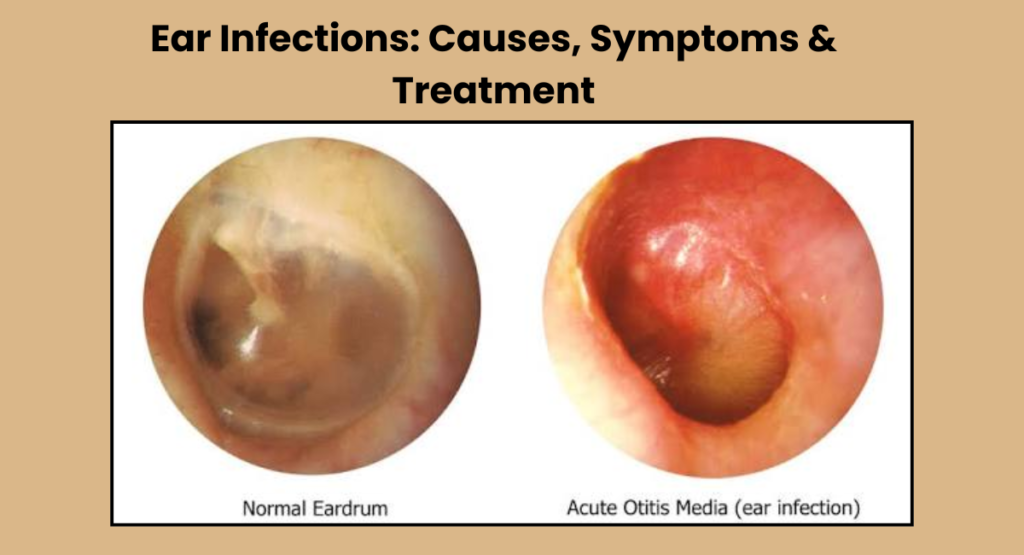
Ear infections are one of the most common health problems affecting both children and adults. While many infections are mild and resolve with proper care, some can lead to serious complications if ignored. Understanding the causes, symptoms, and treatment options can help you take timely action and protect your hearing health. In this detailed guide, we’ll explore everything you need to know about ear infections and when to consult the best ear doctor in indore for expert care. What Is an Ear Infection? An ear infection occurs when bacteria or viruses infect the ear, leading to inflammation and fluid buildup. The ear is divided into three parts: Infections can occur in any of these sections, but middle ear infections are the most common, especially in children. Types of Ear Infections 1. Outer Ear Infection (Swimmer’s Ear) This affects the ear canal and is often caused by water remaining in the ear after swimming, creating a moist environment for bacteria to grow. 2. Middle Ear Infection (Otitis Media) This happens when fluid builds up behind the eardrum, usually due to colds, allergies, or respiratory infections. 3. Inner Ear Infection (Labyrinthitis) Less common but more serious, inner ear infections can affect balance and hearing. If symptoms persist or worsen, visiting the best ear doctor in indore can help ensure proper diagnosis and treatment. Common Causes of Ear Infections Ear infections don’t happen randomly. Several factors can increase the risk: 1. Colds and Sinus Infections Respiratory infections can block the Eustachian tube, leading to fluid buildup in the middle ear. 2. Allergies Allergic reactions can cause swelling and fluid accumulation. 3. Excess Moisture Swimming or humid environments can lead to outer ear infections. 4. Poor Hygiene Using unclean earbuds or inserting objects into the ear can introduce bacteria. 5. Weakened Immune System Children and elderly individuals are more vulnerable due to weaker immunity. Seeking advice from the best ear doctor in indore can help identify the exact cause and prevent recurring infections. Symptoms of Ear Infections Symptoms can vary depending on the type and severity of the infection. In Children: In Adults: If you notice severe pain, high fever, or hearing loss, it’s important to consult the best ear doctor in indore immediately. How Are Ear Infections Diagnosed? A doctor typically uses an otoscope to look inside the ear and check for redness, swelling, or fluid buildup. In some cases, additional tests such as hearing tests or tympanometry may be recommended. Early diagnosis is key to preventing complications like permanent hearing damage. Treatment Options for Ear Infections Treatment depends on the type and severity of the infection. 1. Home Remedies (For Mild Cases) However, home remedies should only be used for mild symptoms. 2. Antibiotics If the infection is bacterial, a doctor may prescribe antibiotics. It’s important to complete the full course to prevent recurrence. 3. Ear Drops Medicated ear drops are often prescribed for outer ear infections. 4. Drainage Procedures In chronic or severe cases, minor surgical procedures may be needed to drain fluid from the middle ear. For accurate treatment and long-term relief, consulting the best ear doctor in indore ensures you receive expert medical guidance tailored to your condition. Complications of Untreated Ear Infections Ignoring ear infections can lead to serious problems, such as: Prompt medical care reduces the risk of complications significantly. If symptoms do not improve within a few days, visiting the best ear doctor in indore is highly recommended. How to Prevent Ear Infections Prevention is always better than cure. Here are some practical tips: ✔ Maintain Ear Hygiene Avoid inserting cotton swabs or sharp objects into your ears. ✔ Keep Ears Dry Dry your ears properly after swimming or bathing. ✔ Manage Allergies Treat allergies promptly to prevent fluid buildup. ✔ Boost Immunity A healthy diet and regular exercise strengthen the immune system. ✔ Vaccinations Stay updated with flu and pneumonia vaccines to reduce infection risks. Regular checkups with the best ear doctor in indore can also help detect early warning signs before they become serious. When Should You See a Doctor? You should seek medical attention if: Delaying treatment can worsen the condition. Early consultation with the best ear doctor in indore ensures proper care and faster recovery. Final Thoughts Ear infections are common but should never be ignored. While mild cases may resolve on their own, persistent or severe infections require professional medical attention. Recognizing the symptoms early and understanding treatment options can prevent long-term damage. If you or your child is experiencing recurring ear pain, hearing issues, or unusual discharge, don’t delay seeking expert advice. Choosing the best ear doctor in indore can make a significant difference in diagnosis, treatment, and overall ear health. Taking care of your ears today ensures better hearing and balance for years to come.
Tonsillitis: Symptoms, Causes & When Surgery Is Needed
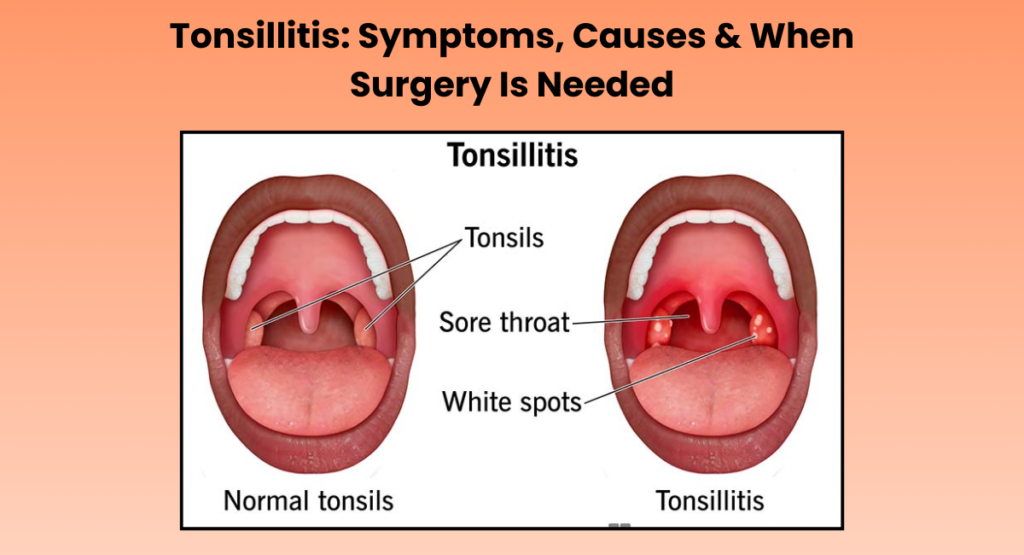
Tonsillitis is a common throat condition that affects both children and adults. It occurs when the tonsils – two oval-shaped tissues at the back of your throat — become inflamed due to infection. While many cases are mild and resolve with medication and rest, some can become recurrent or severe, requiring medical intervention or even surgery. In this detailed guide, we will explain the symptoms, causes, treatment options, and when you should consult the Best ENT specialist in Indore for expert care. What Is Tonsillitis? Tonsillitis is the inflammation of the tonsils caused by viral or bacterial infections. The tonsils play an important role in the immune system by helping trap germs entering through the mouth and nose. However, they themselves can become infected. Tonsillitis can occur occasionally, but some individuals experience frequent episodes, known as recurrent tonsillitis. Common Symptoms of Tonsillitis The symptoms can vary depending on whether the infection is viral or bacterial. In Children: In Adults: If these symptoms last more than a few days or become severe, it is important to consult the Best ENT specialist in Indore for proper evaluation and treatment. What Causes Tonsillitis? Tonsillitis can be caused by both viruses and bacteria. 1. Viral Infections Most cases are caused by viruses such as: Viral tonsillitis usually improves within 7–10 days with supportive care. 2. Bacterial Infections The most common bacterial cause is Streptococcus (strep throat). Bacterial tonsillitis may require antibiotics for effective treatment. A proper diagnosis from the Best ENT specialist in Indore can help determine whether the infection is viral or bacterial. How Is Tonsillitis Diagnosed? Diagnosis typically involves: Accurate diagnosis ensures the right treatment plan and prevents complications. Treatment Options for Tonsillitis Treatment depends on the cause and severity of the condition. 1. Home Remedies (For Mild Viral Cases) 2. Antibiotics (For Bacterial Infection) If strep throat is confirmed, antibiotics are prescribed. It is crucial to complete the full course of medication. 3. Pain Management Doctors may recommend medications to reduce inflammation and pain. If symptoms persist or worsen despite medication, consulting the Best ENT specialist in Indore is highly recommended. When Is Tonsil Surgery Needed? Tonsil removal surgery, known as tonsillectomy, is considered in specific cases. Surgery May Be Recommended If: The Best ENT specialist in Indore will evaluate your medical history and recommend surgery only when necessary. What Happens During a Tonsillectomy? Tonsillectomy is a common and safe procedure performed under general anesthesia. Recovery is generally smooth, especially when performed by the Best ENT specialist in Indore with proper post-operative care guidance. Risks of Ignoring Tonsillitis Untreated or severe tonsillitis can lead to complications such as: Chronic infections can also affect a child’s growth, sleep, and overall quality of life. Early medical consultation helps prevent serious health issues. How to Prevent Tonsillitis While not all cases can be prevented, you can reduce risk by: If you experience frequent throat infections, regular checkups with the Best ENT specialist in Indore can help monitor and manage the condition effectively. When Should You See a Doctor? Seek medical help immediately if you notice: Delaying treatment may worsen the condition and increase complications. Getting timely advice from the Best ENT specialist in Indore ensures accurate diagnosis and the right treatment plan. Final Thoughts Tonsillitis is a common yet uncomfortable condition that can significantly impact daily life. While mild cases often resolve with rest and supportive care, bacterial infections may require antibiotics, and recurrent cases might need surgical intervention. Understanding the symptoms and knowing when to seek medical help is crucial. If you or your child experience frequent or severe throat infections, consulting the Best ENT specialist in Indore can provide clarity, effective treatment, and long-term relief. Proper care, early diagnosis, and expert guidance can help you recover quickly and prevent future complications. Taking throat health seriously today ensures better comfort and well-being tomorrow.
10 Common ENT Issues in Children and How to Treat Them
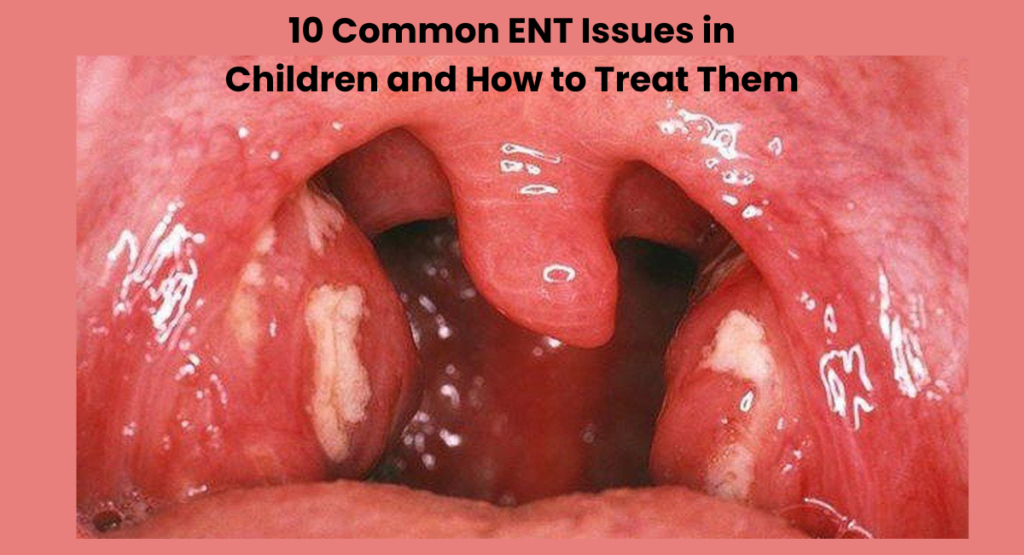
Children are more vulnerable to ear, nose, and throat (ENT) problems than adults. Their immune systems are still developing, they are frequently exposed to infections in schools and playgrounds, and their smaller anatomical structures make them more prone to blockages and inflammation. While many ENT issues are mild and resolve on their own, some require proper medical attention to prevent complications. we will discuss 10 common ENT issues in children, their symptoms, causes, and treatment options, along with guidance on when to consult an ent specialist indore. 1. Ear Infections (Otitis Media) Ear infections are one of the most common ENT problems in children. They usually occur when bacteria or viruses infect the middle ear, often after a cold or respiratory infection. Symptoms: Treatment: Mild ear infections may clear up on their own with rest and pain relievers. If the infection is bacterial, antibiotics may be prescribed. Recurrent ear infections may require minor surgical intervention such as ear tube placement, which can be performed by an experienced ent specialist indore. 2. Tonsillitis Tonsillitis refers to inflammation of the tonsils, typically caused by viral or bacterial infections. Symptoms: Treatment: Viral tonsillitis usually resolves with rest, hydration, and supportive care. Bacterial infections like strep throat require antibiotics. If a child experiences frequent or severe episodes, a tonsillectomy may be recommended after evaluation by an ent specialist indore. 3. Enlarged Adenoids Adenoids are located behind the nose and help fight infections. However, when they become enlarged, they can block airflow and lead to breathing issues. Symptoms: Treatment: Medication may reduce swelling in mild cases. In more severe cases, surgical removal (adenoidectomy) may be required to improve breathing and sleep quality. 4. Allergic Rhinitis Allergic rhinitis, also known as hay fever, is common in children and occurs when the immune system reacts to allergens like dust, pollen, or pet dander. Symptoms: Treatment: Treatment includes avoiding known allergens, using antihistamines, and nasal sprays. Long-term allergy management may be necessary in persistent cases, often guided by an ent specialist indore. 5. Sinusitis Sinusitis is inflammation or infection of the sinus cavities. It often develops after a cold or due to allergies. Symptoms: Treatment: Most sinus infections are viral and improve within 10 days. Bacterial sinusitis may require antibiotics. Chronic sinusitis may need specialized treatment to prevent complications. 6. Nosebleeds (Epistaxis) Nosebleeds are common in children and are usually harmless. They often occur due to dry air, nose picking, or minor injuries. Symptoms: Treatment: To stop a nosebleed, gently pinch the soft part of the nose for 10 minutes while the child leans forward. Frequent nosebleeds may require medical evaluation to rule out underlying causes. 7. Hearing Loss Hearing problems in children can affect speech development, learning, and social skills. Causes: Symptoms: Treatment: Treatment depends on the cause and may include medication, ear cleaning, hearing aids, or surgical procedures. Early diagnosis is crucial for proper speech and cognitive development. 8. Laryngitis Laryngitis is inflammation of the voice box (larynx), commonly caused by viral infections or excessive voice use. Symptoms: Treatment: Voice rest, hydration, and humidified air usually help. If symptoms persist beyond two weeks, further evaluation may be needed. 9. Foreign Objects in the Ear or Nose Young children often insert small objects into their ears or noses out of curiosity. Symptoms: Treatment: Do not attempt to remove the object at home, as it may push it deeper. A trained ENT doctor can safely remove it without causing injury. 10. Pediatric Sleep Apnea Sleep apnea in children occurs when breathing repeatedly stops during sleep, often due to enlarged tonsils or adenoids. Symptoms: Treatment: Treatment may involve removing enlarged tonsils or adenoids. Early intervention improves sleep quality, concentration, and overall growth. When Should You See a Specialist? While many ENT conditions are mild, certain signs require professional attention: In such cases, consulting an ent specialist indore can ensure accurate diagnosis and proper treatment. Specialized care helps prevent long-term complications and improves your child’s overall well-being. Preventing ENT Problems in Children Prevention is always better than treatment. Here are some practical tips: Regular check-ups with an ent specialist indore can help detect potential issues early, especially if your child has a history of recurrent ENT problems. Conclusion ENT problems are common in children, but most can be managed effectively with timely care and proper treatment. Recognizing symptoms early and understanding when to seek professional help can make a significant difference in your child’s health. From ear infections and tonsillitis to sleep apnea and sinusitis, early diagnosis is essential. If your child frequently experiences ear, nose, or throat issues, seeking guidance from a qualified ent specialist indore can provide the right treatment plan and long-term relief. Protecting your child’s ENT health ensures better sleep, improved learning, and a happier childhood overall.
5 Reasons You Should See An ENT For Your Ear Problems

Ear problems are often ignored until they become severe. Many people assume that ear pain, ringing sounds, or mild hearing loss will resolve on their own. While some minor issues may improve naturally, persistent or recurring ear symptoms can indicate underlying conditions that require professional medical attention. Your ears are delicate organs responsible not only for hearing but also for balance, and any disruption can significantly affect your daily life. If you are experiencing ongoing ear concerns, consulting the Best ENT specialist Indore can help ensure accurate diagnosis and effective treatment. An ENT (Ear, Nose, and Throat) specialist has the expertise and equipment necessary to evaluate complex ear conditions that general treatments may not fully address. Below are five important reasons why seeing an ENT for your ear problems is essential. 1. Persistent Ear Pain Should Never Be Ignored Ear pain is one of the most common symptoms people experience. While it can sometimes result from minor causes like temporary pressure changes, persistent ear pain may signal a more serious issue. Common causes of prolonged ear pain include: Many people attempt home remedies or over-the-counter medications. However, treating ear pain without knowing the exact cause can delay proper care. An ENT specialist uses specialized tools such as otoscopes and imaging tests to carefully examine the ear canal and eardrum. Early treatment not only relieves discomfort but also prevents complications like hearing damage or the spread of infection. If your ear pain lasts more than a few days or keeps returning, it is wise to seek expert medical evaluation. 2. Hearing Loss Requires Immediate Attention Hearing loss can develop gradually, making it easy to overlook. You might notice that you need to increase the volume on your television, ask people to repeat themselves, or struggle to hear conversations in noisy environments. Hearing loss can be categorized into: Ignoring hearing problems can lead to communication difficulties, social isolation, and reduced quality of life. In children, untreated hearing issues can even affect speech and learning development. An ENT specialist performs hearing evaluations, including audiometry tests, to determine the type and severity of hearing loss. Once diagnosed, treatment options may include medication, earwax removal, minor procedures, or hearing aids. Seeking professional help at the earliest sign of hearing changes increases the chances of successful treatment and prevents permanent damage. 3. Recurring Ear Infections Need Specialized Care Occasional ear infections are common, especially in children. However, frequent or recurring infections are not normal and should be thoroughly evaluated. Symptoms of chronic ear infections may include: Repeated infections can lead to complications such as fluid buildup behind the eardrum, eardrum perforation, or long-term hearing problems. An ENT specialist identifies the root cause of recurring infections. Sometimes, enlarged adenoids, allergies, sinus infections, or structural issues contribute to repeated episodes. Treatment may involve antibiotics, drainage procedures, or minor surgical interventions such as ear tube placement. Consulting the Best ENT specialist Indore ensures that the condition is managed properly, reducing the risk of future infections and protecting long-term ear health. 4. Ringing in the Ears (Tinnitus) Can Signal Underlying Issues Tinnitus refers to hearing sounds like ringing, buzzing, humming, or whistling when no external sound is present. While occasional ringing may not be serious, persistent tinnitus can be distressing and disruptive. Possible causes of tinnitus include: Tinnitus may also be associated with conditions affecting blood circulation or nerve pathways. Because it can stem from various causes, proper evaluation is essential. An ENT specialist conducts comprehensive tests to determine the underlying reason for tinnitus. Treatment may involve managing hearing loss, removing blockages, adjusting medications, or recommending sound therapy. Ignoring persistent ringing in the ears may allow the condition to worsen. Early intervention can significantly improve symptom control and overall comfort. 5. Balance Problems and Dizziness May Be Ear-Related Many people are surprised to learn that the inner ear plays a crucial role in maintaining balance. If you experience dizziness, vertigo, or a spinning sensation, your ears could be the cause. Common ear-related balance disorders include: Symptoms of balance disorders may include: Balance problems can increase the risk of falls and injuries, particularly in older adults. Since dizziness can also be linked to neurological or cardiovascular issues, accurate diagnosis is crucial. An ENT specialist performs vestibular testing to identify the exact cause of vertigo or imbalance. Treatment may include repositioning maneuvers, medications, dietary adjustments, or vestibular rehabilitation therapy. When dizziness interferes with daily activities, consulting the Best ENT specialist Indore can help restore stability and confidence. Why Early Diagnosis Matters Ear conditions often start with mild symptoms that gradually become severe if left untreated. Early diagnosis provides several advantages: Modern ENT clinics are equipped with advanced diagnostic tools such as endoscopic examinations, hearing tests, and imaging technologies. These tools allow for precise and effective treatment planning. When Should You Visit an ENT Specialist? You should consider seeing an ENT specialist if you experience: Delaying professional care can worsen symptoms and make treatment more complicated. Protecting Your Ear Health In addition to seeking timely medical attention, you can protect your ears by: Preventive care plays a vital role in maintaining healthy ears and avoiding long-term complications. Final Thoughts Your ears are delicate and essential for communication, balance, and overall well-being. Ignoring ear problems can lead to serious complications that affect your daily life. Whether you are dealing with persistent pain, hearing changes, infections, tinnitus, or balance issues, professional evaluation is crucial. Seeking help from the Best ENT specialist Indore ensures accurate diagnosis and personalized treatment tailored to your condition. Early care not only relieves symptoms but also protects your hearing and balance for the future. If you notice any unusual ear symptoms, do not wait for them to worsen. Prioritize your ear health today and take the first step toward long-term wellness by consulting the Best ENT specialist Indore for expert guidance and care.