
Voice plays a crucial role in our daily lives, whether for communication, professional use, or personal expression. When persistent voice issues arise, doctors may recommend a specialized procedure called microlaryngoscopy. This advanced technique helps diagnose and treat problems affecting the vocal cords and larynx (voice box).
In this blog, we will explore what microlaryngoscopy is, why it is performed, how the procedure works, and what to expect during recovery. If you are dealing with long-term voice problems, consulting an experienced ENT doctor in Indore can help you get the right guidance and treatment.
What is Microlaryngoscopy?
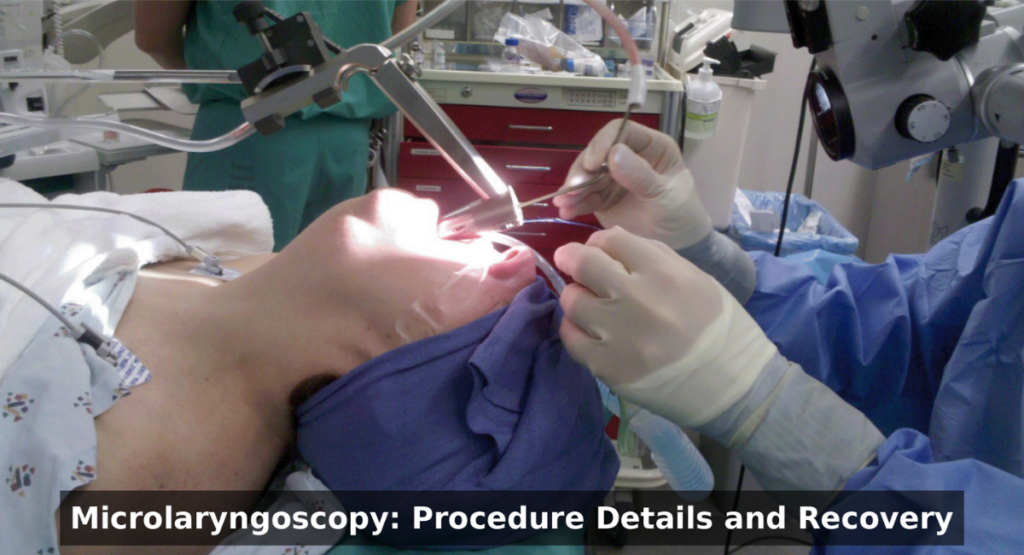
Microlaryngoscopy is a medical procedure used to examine the larynx and vocal cords in detail using a microscope. It allows doctors to get a magnified view of the throat, making it easier to identify abnormalities that cannot be seen through routine examinations.
This procedure is often performed by an ENT (Ear, Nose, and Throat) specialist or a voice specialist doctor. If you are based in Madhya Pradesh, visiting an experienced ENT doctor in Indore can ensure accurate diagnosis and proper care.
Why is Microlaryngoscopy Performed?
Doctors recommend microlaryngoscopy when patients experience persistent or unexplained voice-related symptoms. Some common reasons include:
- Chronic hoarseness or voice changes
- Difficulty speaking or voice fatigue
- Suspicion of vocal cord nodules, polyps, or cysts
- Throat pain without a clear cause
- Breathing difficulties due to airway obstruction
- Need for biopsy to rule out serious conditions
For individuals who rely heavily on their voice, such as singers, teachers, or public speakers, early diagnosis is essential. Consulting an ENT doctor in Indore at the right time can prevent complications and speed up recovery.
Types of Conditions Treated
Microlaryngoscopy can help diagnose and treat several conditions, including:
- Vocal cord nodules
- Polyps and cysts
- Laryngeal tumors (benign or malignant)
- Chronic inflammation of the vocal cords
- Scar tissue affecting voice quality
By identifying the exact cause, doctors can provide targeted treatment, improving both voice quality and overall throat health.
How the Procedure is Performed
Microlaryngoscopy is usually carried out in a hospital or surgical center under general anesthesia. This ensures that the patient remains comfortable and pain-free during the procedure.
Step-by-Step Process:
- Preparation
The patient is given general anesthesia, so they are completely asleep during the procedure. - Insertion of Laryngoscope
A rigid instrument called a laryngoscope is gently inserted through the mouth to access the larynx. - Microscopic Examination
A high-powered microscope is used to examine the vocal cords in detail. - Treatment (if required)
If abnormalities are found, the doctor may:- Remove growths such as polyps or nodules
- Take a tissue sample (biopsy)
- Perform minor surgical corrections
The entire procedure typically takes about 30 to 60 minutes, depending on the complexity.
Benefits of Microlaryngoscopy
Microlaryngoscopy offers several advantages over traditional diagnostic methods:
- Provides a highly magnified and clear view of the vocal cords
- Enables precise diagnosis
- Allows simultaneous treatment during the same procedure
- Minimally invasive with relatively quick recovery
- Helps preserve or improve voice quality
For best outcomes, it is always recommended to choose a qualified specialist, such as a trusted ENT doctor in Indore with experience in voice-related procedures.
What to Expect After the Procedure
After the procedure, patients are moved to a recovery area until the effects of anesthesia wear off. Most people can go home the same day.
Common Post-Procedure Symptoms:
- Mild throat pain or discomfort
- Hoarseness or weak voice
- Slight swelling in the throat
- Dryness or irritation
These symptoms are usually temporary and improve within a few days.
Recovery and Aftercare
Proper aftercare is essential for a smooth recovery and optimal voice healing.
Do’s:
- Follow complete voice rest for a few days
- Stay well-hydrated by drinking plenty of water
- Take prescribed medications as directed
- Use a humidifier if recommended
- Attend follow-up appointments
Don’ts:
- Avoid speaking loudly or shouting
- Do not smoke or consume alcohol
- Stay away from spicy or irritating foods
- Avoid clearing your throat frequently
Recovery Time:
Most patients recover within 1 to 2 weeks, although full voice recovery may take slightly longer depending on the condition treated.
Risks and Complications
Microlaryngoscopy is generally a safe procedure, but like any medical intervention, it carries some risks. These are rare but may include:
- Bleeding
- Infection
- Injury to teeth, lips, or tongue
- Temporary or permanent voice changes
- Reaction to anesthesia
Choosing a skilled specialist reduces these risks significantly. If you are searching for treatment options, consulting a reliable ENT doctor in Indore can help ensure safety and proper care.
When to See a Voice Specialist Doctor
You should consult a voice specialist doctor if you experience:
- Voice changes lasting more than 2–3 weeks
- Pain while speaking or swallowing
- Loss of voice without a clear reason
- Frequent throat irritation
- Difficulty breathing or swallowing
Timely consultation can prevent the condition from worsening and improve treatment outcomes.
Final Thoughts
Microlaryngoscopy is a highly effective and safe procedure for diagnosing and treating voice-related disorders. With its ability to provide detailed visualization and immediate treatment, it has become a preferred choice among ENT specialists.
If you are experiencing persistent voice issues, do not ignore the symptoms. Seeking help from an experienced ENT doctor in Indore can ensure timely diagnosis and effective treatment. With proper care, early intervention, and adherence to recovery guidelines, most patients regain normal voice function and improve their quality of life.