
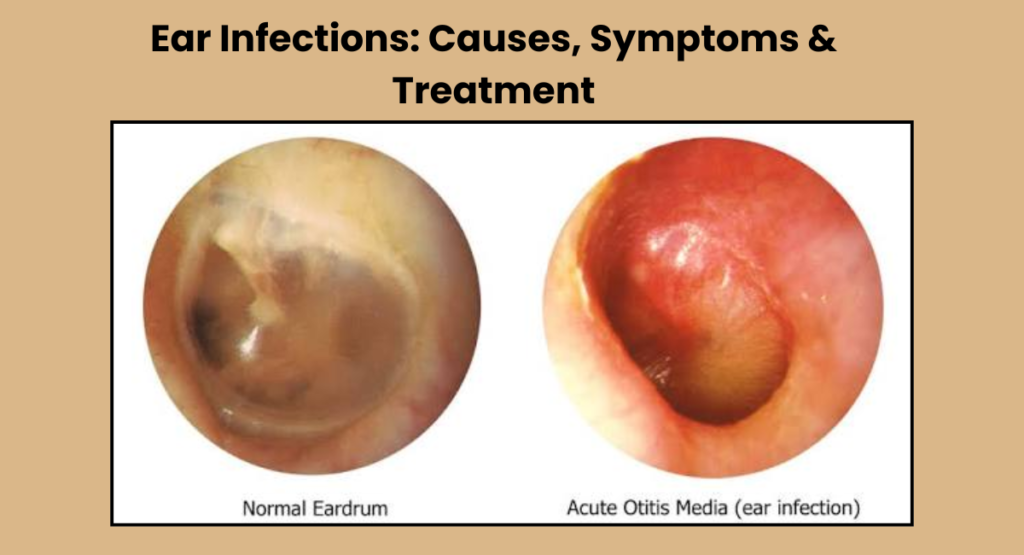
Ear infections are one of the most common health problems affecting both children and adults. While many infections are mild and resolve with proper care, some can lead to serious complications if ignored. Understanding the causes, symptoms, and treatment options can help you take timely action and protect your hearing health.
In this detailed guide, we’ll explore everything you need to know about ear infections and when to consult the best ear doctor in indore for expert care.
What Is an Ear Infection?
An ear infection occurs when bacteria or viruses infect the ear, leading to inflammation and fluid buildup. The ear is divided into three parts:
- Outer ear
- Middle ear
- Inner ear
Infections can occur in any of these sections, but middle ear infections are the most common, especially in children.
Types of Ear Infections
1. Outer Ear Infection (Swimmer’s Ear)
This affects the ear canal and is often caused by water remaining in the ear after swimming, creating a moist environment for bacteria to grow.
2. Middle Ear Infection (Otitis Media)
This happens when fluid builds up behind the eardrum, usually due to colds, allergies, or respiratory infections.
3. Inner Ear Infection (Labyrinthitis)
Less common but more serious, inner ear infections can affect balance and hearing.
If symptoms persist or worsen, visiting the best ear doctor in indore can help ensure proper diagnosis and treatment.
Common Causes of Ear Infections
Ear infections don’t happen randomly. Several factors can increase the risk:
1. Colds and Sinus Infections
Respiratory infections can block the Eustachian tube, leading to fluid buildup in the middle ear.
2. Allergies
Allergic reactions can cause swelling and fluid accumulation.
3. Excess Moisture
Swimming or humid environments can lead to outer ear infections.
4. Poor Hygiene
Using unclean earbuds or inserting objects into the ear can introduce bacteria.
5. Weakened Immune System
Children and elderly individuals are more vulnerable due to weaker immunity.
Seeking advice from the best ear doctor in indore can help identify the exact cause and prevent recurring infections.
Symptoms of Ear Infections
Symptoms can vary depending on the type and severity of the infection.
In Children:
- Ear pain (especially when lying down)
- Tugging or pulling at the ear
- Fever
- Trouble sleeping
- Fluid drainage from the ear
- Difficulty hearing
In Adults:
- Sharp or dull ear pain
- Pressure inside the ear
- Temporary hearing loss
- Dizziness or balance problems
- Discharge from the ear
If you notice severe pain, high fever, or hearing loss, it’s important to consult the best ear doctor in indore immediately.
How Are Ear Infections Diagnosed?
A doctor typically uses an otoscope to look inside the ear and check for redness, swelling, or fluid buildup. In some cases, additional tests such as hearing tests or tympanometry may be recommended.
Early diagnosis is key to preventing complications like permanent hearing damage.
Treatment Options for Ear Infections
Treatment depends on the type and severity of the infection.
1. Home Remedies (For Mild Cases)
- Warm compress to reduce pain
- Adequate rest
- Staying hydrated
- Over-the-counter pain relievers
However, home remedies should only be used for mild symptoms.
2. Antibiotics
If the infection is bacterial, a doctor may prescribe antibiotics. It’s important to complete the full course to prevent recurrence.
3. Ear Drops
Medicated ear drops are often prescribed for outer ear infections.
4. Drainage Procedures
In chronic or severe cases, minor surgical procedures may be needed to drain fluid from the middle ear.
For accurate treatment and long-term relief, consulting the best ear doctor in indore ensures you receive expert medical guidance tailored to your condition.
Complications of Untreated Ear Infections
Ignoring ear infections can lead to serious problems, such as:
- Hearing loss
- Spread of infection to nearby tissues
- Eardrum rupture
- Balance disorders
- Speech delays in children
Prompt medical care reduces the risk of complications significantly. If symptoms do not improve within a few days, visiting the best ear doctor in indore is highly recommended.
How to Prevent Ear Infections
Prevention is always better than cure. Here are some practical tips:
✔ Maintain Ear Hygiene
Avoid inserting cotton swabs or sharp objects into your ears.
✔ Keep Ears Dry
Dry your ears properly after swimming or bathing.
✔ Manage Allergies
Treat allergies promptly to prevent fluid buildup.
✔ Boost Immunity
A healthy diet and regular exercise strengthen the immune system.
✔ Vaccinations
Stay updated with flu and pneumonia vaccines to reduce infection risks.
Regular checkups with the best ear doctor in indore can also help detect early warning signs before they become serious.
When Should You See a Doctor?
You should seek medical attention if:
- Ear pain lasts more than 2–3 days
- There is high fever
- You experience hearing loss
- There is pus or fluid discharge
- Dizziness becomes severe
Delaying treatment can worsen the condition. Early consultation with the best ear doctor in indore ensures proper care and faster recovery.
Final Thoughts
Ear infections are common but should never be ignored. While mild cases may resolve on their own, persistent or severe infections require professional medical attention. Recognizing the symptoms early and understanding treatment options can prevent long-term damage.
If you or your child is experiencing recurring ear pain, hearing issues, or unusual discharge, don’t delay seeking expert advice. Choosing the best ear doctor in indore can make a significant difference in diagnosis, treatment, and overall ear health.
Taking care of your ears today ensures better hearing and balance for years to come.