
How Should Diabetes Patients Take Care of Their Eyes
Diabetes is a chronic condition that affects millions of people worldwide. While most patients are aware of how diabetes impacts blood sugar levels, fewer realize how seriously it can affect eye health. Over time, uncontrolled diabetes can damage the delicate blood vessels in the eyes, leading to vision problems and, in severe cases, permanent blindness. The good news is that with proper care, regular check-ups, and guidance from a qualified Retina Specialist, most diabetes-related eye complications can be prevented or managed effectively.
This blog explains how diabetes affects the eyes, common eye problems seen in diabetic patients, and practical steps to protect vision for the long term.
Understanding the Link Between Diabetes and Eye Health
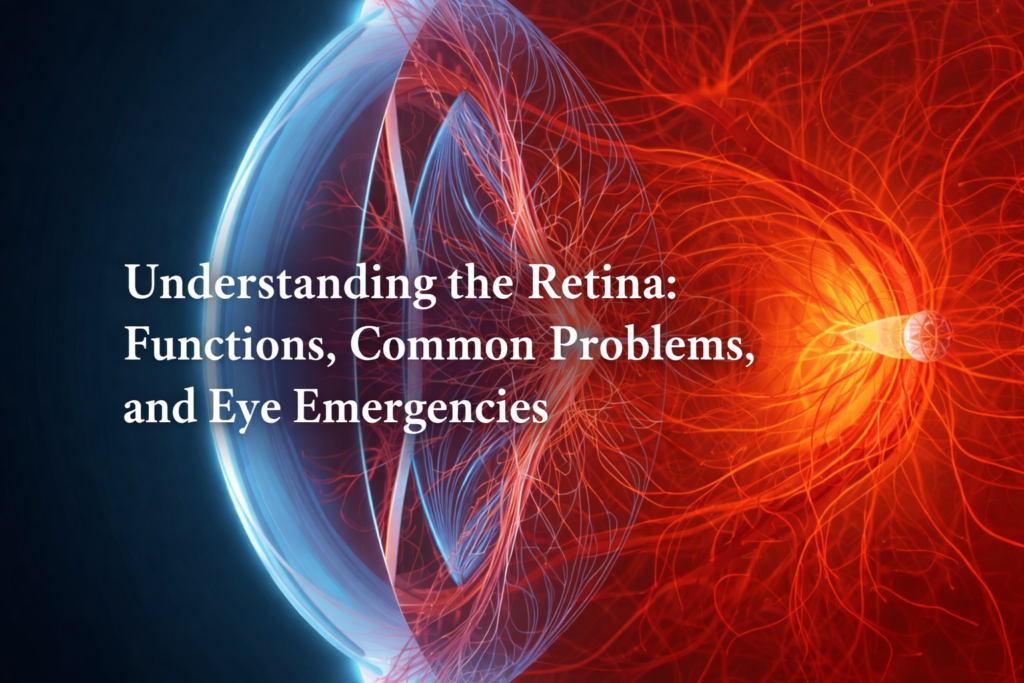
Diabetes affects the body by increasing blood sugar levels, which can damage small blood vessels and nerves. The eyes are particularly vulnerable because the retina—the light-sensitive tissue at the back of the eye-depends on a healthy blood supply to function properly. When blood sugar remains high for long periods, it weakens retinal blood vessels, causing leakage, swelling, or abnormal new vessel growth.
According to eye care professionals and every experienced Retina Specialist, diabetes is one of the leading causes of preventable blindness in adults. However, early detection and good diabetes control significantly reduce the risk.
Common Eye Problems in Diabetes Patients
1. Diabetic Retinopathy
Diabetic retinopathy is the most common diabetes-related eye disease. It occurs when high blood sugar damages the retinal blood vessels. In early stages, patients may not notice any symptoms, which is why regular eye exams are critical.
As the condition progresses, symptoms may include:
- Blurred or fluctuating vision
- Dark spots or floaters
- Difficulty seeing at night
- Vision loss
A Retina Specialist plays a key role in diagnosing and treating diabetic retinopathy before it causes irreversible damage.
2. Diabetic Macular Edema (DME)
The macula is the central part of the retina responsible for sharp vision. When fluid leaks into this area, it causes swelling known as diabetic macular edema. This condition can severely affect reading, driving, and facial recognition.
Early treatment under the care of a Retina Specialist can help preserve central vision.
3. Cataracts
People with diabetes are more likely to develop cataracts at a younger age. Cataracts cause clouding of the eye’s natural lens, leading to blurry or dull vision.
4. Glaucoma
Diabetes doubles the risk of glaucoma, a condition that damages the optic nerve due to increased eye pressure. Vision loss from glaucoma is permanent if not detected early.
Importance of Regular Eye Examinations
One of the most important steps diabetes patients can take is scheduling regular eye exams. Many diabetic eye diseases develop silently, without pain or early warning signs.
Eye exam recommendations:
- Type 1 diabetes: First eye exam within 5 years of diagnosis
- Type 2 diabetes: Eye exam at diagnosis
- Pregnancy with diabetes: Eye exam before or during early pregnancy
Most eye doctors and Retina Specialist professionals recommend at least one comprehensive dilated eye exam every year.
How Blood Sugar Control Protects Your Eyes
Maintaining stable blood sugar levels is the foundation of diabetic eye care. Sudden spikes or long-term high glucose levels increase the risk of retinal damage.
Tips for blood sugar control:
- Follow your prescribed medication or insulin schedule
- Monitor blood sugar levels regularly
- Avoid skipping meals
- Maintain a balanced diet
Clinical studies consistently show that patients with well-controlled diabetes have a much lower risk of developing severe eye complications.
Role of Diet in Diabetic Eye Health
A healthy diet supports both blood sugar control and eye health. Nutrients that benefit the eyes include antioxidants, vitamins, and healthy fats.
Eye-friendly foods for diabetes patients:
- Leafy greens (spinach, kale)
- Fatty fish (salmon, sardines)
- Citrus fruits (in moderation)
- Nuts and seeds
- Whole grains
- Carrots and bell peppers
Many Retina Specialist doctors emphasize that a nutrient-rich diet helps protect retinal cells from oxidative stress.
Managing Blood Pressure and Cholesterol
High blood pressure and cholesterol worsen diabetic eye disease by further damaging blood vessels. Keeping these under control helps maintain healthy circulation to the retina.
Healthy habits include:
- Limiting salt intake
- Avoiding fried and processed foods
- Exercising regularly
- Taking prescribed medications consistently
Protecting Eyes from External Factors
Diabetes can make eyes more sensitive to environmental stress.
Simple protective steps:
- Wear UV-protected sunglasses outdoors
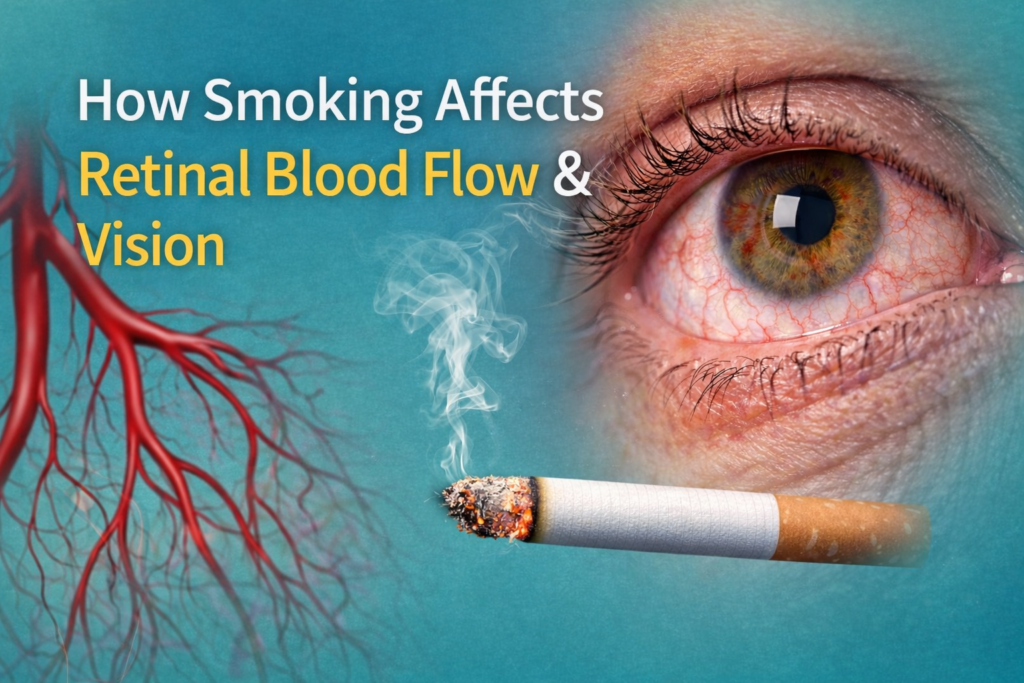
- Avoid smoking, as it worsens blood vessel damage
- Limit screen time and follow the 20-20-20 rule
- Keep eyes hydrated and avoid rubbing
These habits support overall eye comfort and long-term vision health.
Importance of Early Treatment and Monitoring
If diabetic eye disease is detected early, treatments are highly effective. Modern ophthalmology offers advanced options such as:
- Anti-VEGF injections
- Laser therapy
- Steroid implants
- Vitrectomy surgery
A qualified Retina Specialist determines the most suitable treatment based on disease stage and individual patient needs.
Warning Signs Diabetes Patients Should Never Ignore
Seek immediate medical attention if you notice:
- Sudden vision loss
- Flashes of light
- Increase in floaters
- Eye pain or redness
- Distorted or wavy vision
Prompt evaluation by a Retina Specialist can prevent permanent vision loss.
Emotional and Lifestyle Impact of Vision Changes
Vision problems can affect independence, work, and quality of life. Diabetes patients should not ignore emotional stress related to vision changes. Support from family, counseling, and medical professionals plays an important role in long-term care.
When to See a Retina Specialist
While general eye check-ups are essential, diabetes patients may need specialized retinal care. A Retina Specialist has advanced training in diagnosing and treating retinal diseases related to diabetes. Early referral ensures timely intervention and better outcomes.
Final Thoughts
Diabetes does not have to lead to vision loss. With proper blood sugar control, a healthy lifestyle, regular eye exams, and timely care from an experienced Retina Specialist, most diabetes-related eye complications can be prevented or effectively managed.
Your eyes are precious. Taking proactive steps today-through awareness, nutrition, medical care, and routine monitoring-can help protect your vision for years to come. If you have diabetes, make eye care a priority, because early action is the key to lifelong healthy sight.