Children are more vulnerable to ear, nose, and throat (ENT) problems than adults. Their immune systems are still developing, they are frequently exposed to infections in schools and playgrounds, and their smaller anatomical structures make them more prone to blockages and inflammation. While many ENT issues are mild and resolve on their own, some require proper medical attention to prevent complications. we will discuss 10 common ENT issues in children, their symptoms, causes, and treatment options, along with guidance on when to consult an ent specialist indore.
1. Ear Infections (Otitis Media)
Ear infections are one of the most common ENT problems in children. They usually occur when bacteria or viruses infect the middle ear, often after a cold or respiratory infection.
Symptoms:
- Ear pain
- Fever
- Irritability
- Trouble sleeping
- Fluid drainage from the ear
- Temporary hearing difficulty
Treatment:
Mild ear infections may clear up on their own with rest and pain relievers. If the infection is bacterial, antibiotics may be prescribed. Recurrent ear infections may require minor surgical intervention such as ear tube placement, which can be performed by an experienced ent specialist indore.
2. Tonsillitis
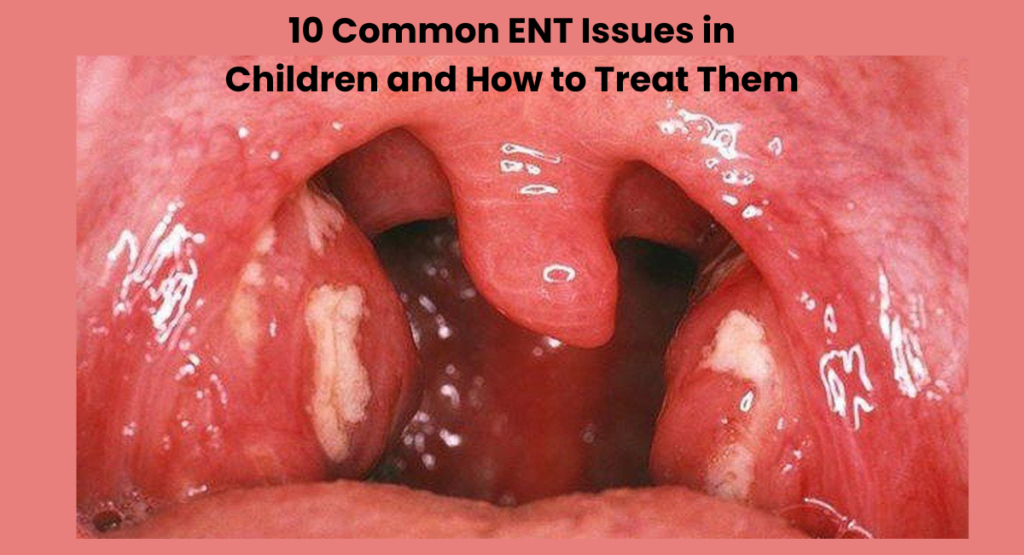
Tonsillitis refers to inflammation of the tonsils, typically caused by viral or bacterial infections.
Symptoms:
- Severe sore throat
- Difficulty swallowing
- Fever
- Swollen glands in the neck
- White or yellow patches on the tonsils
Treatment:
Viral tonsillitis usually resolves with rest, hydration, and supportive care. Bacterial infections like strep throat require antibiotics. If a child experiences frequent or severe episodes, a tonsillectomy may be recommended after evaluation by an ent specialist indore.
3. Enlarged Adenoids
Adenoids are located behind the nose and help fight infections. However, when they become enlarged, they can block airflow and lead to breathing issues.
Symptoms:
- Mouth breathing
- Persistent snoring
- Nasal voice
- Recurrent sinus infections
- Sleep disturbances
Treatment:
Medication may reduce swelling in mild cases. In more severe cases, surgical removal (adenoidectomy) may be required to improve breathing and sleep quality.
4. Allergic Rhinitis
Allergic rhinitis, also known as hay fever, is common in children and occurs when the immune system reacts to allergens like dust, pollen, or pet dander.
Symptoms:
- Sneezing
- Runny or blocked nose
- Itchy eyes and nose
- Postnasal drip
Treatment:
Treatment includes avoiding known allergens, using antihistamines, and nasal sprays. Long-term allergy management may be necessary in persistent cases, often guided by an ent specialist indore.
5. Sinusitis
Sinusitis is inflammation or infection of the sinus cavities. It often develops after a cold or due to allergies.
Symptoms:
- Nasal congestion
- Thick nasal discharge
- Facial pain or pressure
- Persistent cough
- Fever
Treatment:
Most sinus infections are viral and improve within 10 days. Bacterial sinusitis may require antibiotics. Chronic sinusitis may need specialized treatment to prevent complications.
6. Nosebleeds (Epistaxis)
Nosebleeds are common in children and are usually harmless. They often occur due to dry air, nose picking, or minor injuries.
Symptoms:
- Bleeding from one or both nostrils
Treatment:
To stop a nosebleed, gently pinch the soft part of the nose for 10 minutes while the child leans forward. Frequent nosebleeds may require medical evaluation to rule out underlying causes.
7. Hearing Loss
Hearing problems in children can affect speech development, learning, and social skills.
Causes:
- Repeated ear infections
- Fluid in the middle ear
- Congenital conditions
- Excessive earwax buildup
Symptoms:
- Delayed speech development
- Not responding to sounds
- Increasing TV or device volume excessively
Treatment:
Treatment depends on the cause and may include medication, ear cleaning, hearing aids, or surgical procedures. Early diagnosis is crucial for proper speech and cognitive development.
8. Laryngitis
Laryngitis is inflammation of the voice box (larynx), commonly caused by viral infections or excessive voice use.
Symptoms:
- Hoarse voice
- Dry cough
- Sore throat
- Temporary loss of voice
Treatment:
Voice rest, hydration, and humidified air usually help. If symptoms persist beyond two weeks, further evaluation may be needed.
9. Foreign Objects in the Ear or Nose
Young children often insert small objects into their ears or noses out of curiosity.
Symptoms:
- Pain or discomfort
- Foul-smelling discharge
- Bleeding
- Difficulty breathing (if object is in nose)
Treatment:
Do not attempt to remove the object at home, as it may push it deeper. A trained ENT doctor can safely remove it without causing injury.
10. Pediatric Sleep Apnea
Sleep apnea in children occurs when breathing repeatedly stops during sleep, often due to enlarged tonsils or adenoids.
Symptoms:
- Loud snoring
- Pauses in breathing during sleep
- Bedwetting
- Daytime fatigue
- Behavioral issues
Treatment:
Treatment may involve removing enlarged tonsils or adenoids. Early intervention improves sleep quality, concentration, and overall growth.
When Should You See a Specialist?
While many ENT conditions are mild, certain signs require professional attention:
- Frequent ear infections
- Persistent snoring or breathing difficulty
- Hearing concerns
- Chronic sinus problems
- Recurrent throat infections
- Delayed speech development
In such cases, consulting an ent specialist indore can ensure accurate diagnosis and proper treatment. Specialized care helps prevent long-term complications and improves your child’s overall well-being.
Preventing ENT Problems in Children
Prevention is always better than treatment. Here are some practical tips:
- Encourage regular handwashing.
- Avoid exposure to cigarette smoke.
- Keep vaccinations up to date.
- Use a humidifier during dry seasons.
- Treat allergies early.
- Teach children not to insert objects into their ears or nose.
- Ensure a balanced and nutritious diet.
Regular check-ups with an ent specialist indore can help detect potential issues early, especially if your child has a history of recurrent ENT problems.
Conclusion
ENT problems are common in children, but most can be managed effectively with timely care and proper treatment. Recognizing symptoms early and understanding when to seek professional help can make a significant difference in your child’s health.
From ear infections and tonsillitis to sleep apnea and sinusitis, early diagnosis is essential. If your child frequently experiences ear, nose, or throat issues, seeking guidance from a qualified ent specialist indore can provide the right treatment plan and long-term relief.
Protecting your child’s ENT health ensures better sleep, improved learning, and a happier childhood overall.