The human eye is often compared to a camera, and at the heart of this comparison lies the retina. Though thin and delicate, the retina plays a critical role in vision, allowing us to see color, detail, light, and motion. Any damage or disease affecting the retina can have a serious impact on eyesight and, in some cases, lead to permanent vision loss, which is why timely evaluation by a Retina Specialist is so important. Understanding how the retina functions, the problems that can affect it, and the emergencies that require immediate care is essential for maintaining lifelong eye health.
What Is the Retina?
The retina is a thin layer of light-sensitive tissue located at the back of the eye. It receives light that enters through the cornea and lens, then converts that light into electrical signals. These signals are transmitted to the brain via the optic nerve, where they are interpreted as images.
Types of Photoreceptor Cells in the Retina
The retina contains two main types of photoreceptor cells:
- Rods – responsible for vision in low light and peripheral vision
- Cones – allow us to see fine detail and distinguish colors
Because of its complex structure and essential function, even minor retinal damage can significantly affect visual clarity.
Functions of the Retina
The retina is far more than a passive screen at the back of the eye. It performs multiple critical functions that work together seamlessly.
Light Detection and Signal Conversion
The retina’s primary role is to detect light and convert it into neural signals. When light hits the photoreceptor cells, chemical changes occur that generate electrical impulses. These impulses travel through layers of retinal cells and ultimately reach the optic nerve.
Color and Detail Perception
Cone cells, which are concentrated in the central retina (macula), are responsible for sharp central vision and color discrimination. This is why the macula is essential for activities such as reading, driving, and recognizing faces.
Peripheral and Night Vision
Rod cells are more sensitive to light and are located mostly in the outer regions of the retina. They help us see in dim lighting and detect movement in our peripheral vision.
Image Processing Before the Brain
Interestingly, the retina performs a significant amount of image processing before the information ever reaches the brain. It adjusts for contrast, brightness, and movement, helping the brain receive a clearer and more usable visual signal.
Common Retina Problems
Retinal conditions can develop slowly or suddenly. Some are age-related, while others are linked to systemic diseases or trauma.
Age-Related Macular Degeneration (AMD)
AMD affects the macula and is one of the leading causes of vision loss in older adults. It can result in blurred or distorted central vision, making daily tasks difficult.
Diabetic Retinopathy
This condition occurs when high blood sugar levels damage the small blood vessels in the retina. Over time, these vessels may leak, swell, or close off completely, leading to vision impairment or blindness if untreated.
Retinal Detachment
A retinal detachment happens when the retina pulls away from its normal position. This is a medical emergency, as the retina cannot function properly when detached from its blood supply.
Macular Edema
Macular edema involves swelling in the macula due to fluid leakage. It is often associated with diabetes, retinal vein occlusion, or eye surgery.
Retinal Vein Occlusion
This condition occurs when a vein in the retina becomes blocked, leading to bleeding, swelling, and sudden vision loss.
Many of these conditions require evaluation and management by a Retina Specialist with advanced diagnostic tools and treatment options.
Retina Emergencies You Should Never Ignore
Some retinal issues develop gradually, but others strike suddenly and require immediate medical attention. Knowing the warning signs can save your vision.
Sudden Flashes and Floaters
Seeing sudden flashes of light or a shower of floaters can be an early sign of retinal tears or detachment. While occasional floaters are common, a sudden increase should never be ignored.
A Dark Curtain or Shadow
If you notice a dark shadow or curtain moving across your field of vision, this may indicate retinal detachment. Immediate evaluation is critical to prevent permanent vision loss.
Sudden Vision Loss
Any sudden loss of vision, whether partial or complete, is considered an emergency. It may be caused by retinal artery occlusion, vein occlusion, or severe inflammation.
Distorted or Wavy Vision
When straight lines appear bent or wavy, it may signal macular involvement, such as macular edema or macular degeneration.
In all these cases, prompt care from a Retina Specialist can make the difference between vision preservation and permanent damage.
How Retina Conditions Are Diagnosed
Modern eye care relies on advanced imaging and diagnostic techniques to evaluate retinal health accurately.
Common Diagnostic Tools
- Dilated eye examination to view the retina directly
- Optical Coherence Tomography (OCT) for detailed cross-sectional images
- Fluorescein angiography to assess blood flow in retinal vessels
- Fundus photography for documentation and monitoring progression
These tests help pinpoint the exact location and severity of retinal damage, allowing targeted treatment plans.
Treatment Options for Retinal Diseases
Treatment depends on the specific condition, its severity, and how early it is detected.
Medications and Injections
Many retinal conditions are treated with intravitreal injections that reduce inflammation, control abnormal blood vessel growth, or decrease fluid leakage.
Laser Therapy
Laser treatment may be used to seal leaking blood vessels, prevent abnormal vessel growth, or stabilize retinal tears before detachment occurs.
Surgical Intervention
Advanced surgeries such as vitrectomy or scleral buckle procedures may be required for retinal detachment or severe bleeding within the eye. These procedures are typically performed by a highly trained Retina Specialist.
Ongoing Monitoring
Some retinal diseases require long-term monitoring rather than immediate treatment. Regular follow-ups help track progression and adjust care as needed.
Who Is at Higher Risk for Retina Problems?
While anyone can develop retinal issues, certain factors increase risk:
- Diabetes
- High blood pressure
- Aging
- Family history of retinal disease
- High myopia (severe nearsightedness)
- Eye injuries or trauma
People in high-risk groups should have regular comprehensive eye exams to detect problems early.
Preventing Retina Damage
Although not all retinal conditions can be prevented, healthy habits can reduce risk and support overall eye health.
Tips for Retinal Health
- Managing blood sugar and blood pressure
- Wearing protective eyewear during sports or hazardous work
- Eating a diet rich in leafy greens, omega-3 fatty acids, and antioxidants
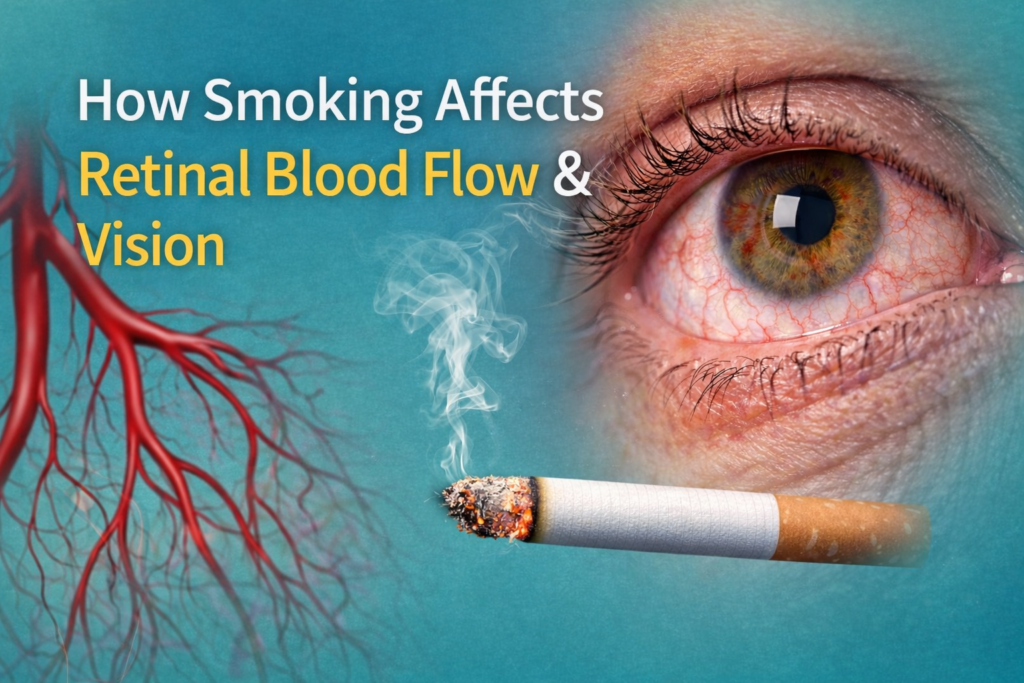
- Avoiding smoking
- Scheduling routine eye exams
Early detection remains one of the most powerful tools in preventing severe vision loss.
When to See a Retina Specialist
General eye exams are essential, but certain symptoms and conditions warrant specialized care. If you experience persistent vision changes, sudden visual disturbances, or have a known retinal condition, seeking care from a Retina Specialist is crucial.
These specialists have advanced training in diagnosing and treating complex retinal diseases and managing vision-threatening emergencies.
Final Thoughts
The retina is a remarkable structure that quietly performs one of the most complex tasks in the human body-turning light into sight. Because of its delicate nature, retinal health should never be taken lightly. Understanding how the retina works, recognizing early symptoms of trouble, and acting quickly during emergencies can preserve vision and quality of life.
Regular eye exams, healthy lifestyle choices, and timely care from a qualified Retina Specialist can make all the difference. Your vision is precious, and protecting your retina is a lifelong investment in seeing the world clearly.