Sleep is one of the most important parts of a healthy lifestyle. However, many people today struggle with poor sleep due to stress, busy schedules, excessive screen time, and health issues. When you do not get enough sleep, your body and mind begin to show warning signs. Ignoring these signs can lead to serious health problems over time.
If you are constantly feeling tired or experiencing unusual symptoms, it may be time to pay attention to your sleep habits and consult a healthcare professional, such as an ENT specialist in Indore, who can help identify possible underlying causes like breathing issues, sinus problems, or sleep-related disorders.
In this article, we will discuss 10 common signs that indicate you are not getting enough sleep.
1. Constant Fatigue During the Day
One of the most obvious signs of sleep deprivation is feeling tired throughout the day. Even after waking up in the morning, you may feel exhausted and low on energy.
People who do not get enough sleep often struggle to stay awake during meetings, work, or even while watching television. This constant fatigue can reduce productivity and affect your overall mood.
2. Difficulty Concentrating
Sleep plays a vital role in brain function. When you are sleep-deprived, your ability to concentrate, focus, and process information becomes weaker.
You may notice that simple tasks take longer to complete or that you frequently forget things. If concentration problems persist, it may be helpful to seek guidance from an ENT specialist in Indore to rule out conditions such as sleep apnea or breathing-related sleep disturbances.
3. Frequent Irritability and Mood Swings
Lack of sleep directly affects your emotional health. People who do not get enough sleep often experience mood swings, irritability, and increased stress levels.
You may find yourself becoming easily frustrated over small issues. Over time, poor sleep can also increase the risk of anxiety and depression.
4. Frequent Headaches
Morning headaches are another common sign of poor sleep. These headaches may occur because of insufficient oxygen supply to the brain during sleep or due to tension and fatigue.
Sometimes, conditions such as snoring or blocked nasal passages can contribute to these symptoms. In such cases, consulting an ENT specialist in Indore can help identify and treat the underlying issue.
5. Weakened Immune System
Sleep is essential for maintaining a strong immune system. When your body does not get enough rest, it becomes more vulnerable to infections and illnesses.
You may notice that you catch colds more frequently or take longer to recover from minor illnesses. This happens because your body does not have enough time to repair and strengthen its defenses during sleep.
6. Increased Cravings for Unhealthy Food
Lack of sleep can disrupt the hormones that regulate hunger and appetite. As a result, people who are sleep-deprived often crave sugary, salty, or high-calorie foods.
These cravings can lead to unhealthy eating habits and weight gain over time. Proper sleep helps maintain balanced hormone levels and reduces unnecessary cravings.
7. Poor Memory
Sleep plays an important role in memory consolidation. When you sleep, your brain processes and stores information from the day.
Without sufficient sleep, your brain struggles to retain information. This can lead to forgetfulness, difficulty recalling details, and problems with learning new things.
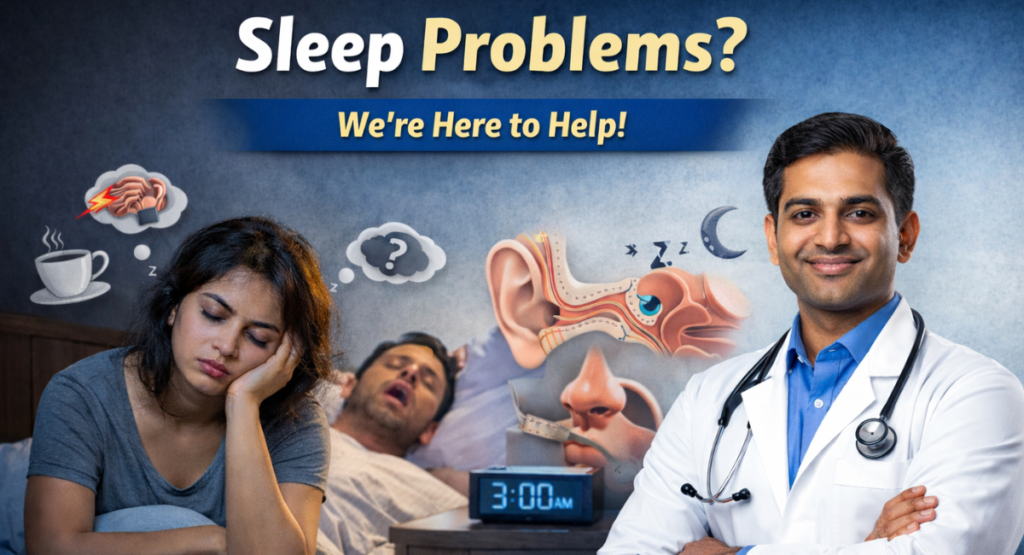
8. Frequent Snoring or Breathing Problems
Snoring may seem harmless, but frequent snoring or breathing interruptions during sleep can indicate a condition known as sleep apnea.
Sleep apnea prevents your body from getting enough oxygen while you sleep, which leads to poor-quality rest. If you or your partner notice loud snoring or pauses in breathing at night, it is advisable to consult an ENT specialist in Indore for proper diagnosis and treatment.
9. Low Motivation and Productivity
When you do not get enough sleep, your energy levels drop significantly. As a result, you may feel less motivated to complete daily tasks or pursue personal goals.
Sleep deprivation affects both physical and mental performance, making even simple activities feel overwhelming. Improving your sleep routine can significantly boost productivity and overall well-being.
10. Dark Circles and Dull Skin
Your skin also reflects the quality of your sleep. Lack of sleep can cause dark circles, puffiness around the eyes, and dull-looking skin.
During sleep, your body repairs damaged cells and promotes healthy skin regeneration. Without enough rest, these repair processes slow down, leading to visible signs of fatigue.
Tips to Improve Your Sleep Quality
If you recognize several of these signs, it may be time to improve your sleep habits. Here are some simple tips that can help:
- Maintain a consistent sleep schedule
- Avoid screens at least one hour before bedtime
- Create a calm and comfortable sleep environment
- Limit caffeine intake in the evening
- Practice relaxation techniques such as meditation or deep breathing
If sleep problems persist, it is important to seek medical advice. An experienced ENT specialist in Indore can evaluate conditions like sinus congestion, nasal blockage, or sleep apnea that may interfere with your sleep.
Conclusion
Sleep is essential for maintaining both physical and mental health. Ignoring sleep problems can lead to long-term complications such as chronic fatigue, weakened immunity, and reduced cognitive performance.
By paying attention to the signs discussed above, you can take early steps to improve your sleep quality and overall health. If symptoms like snoring, breathing difficulties, or frequent headaches continue, consulting a qualified ENT specialist in Indore can help identify the root cause and provide effective treatment.
Prioritizing sleep today will help you lead a healthier and more productive life tomorrow. 😴